
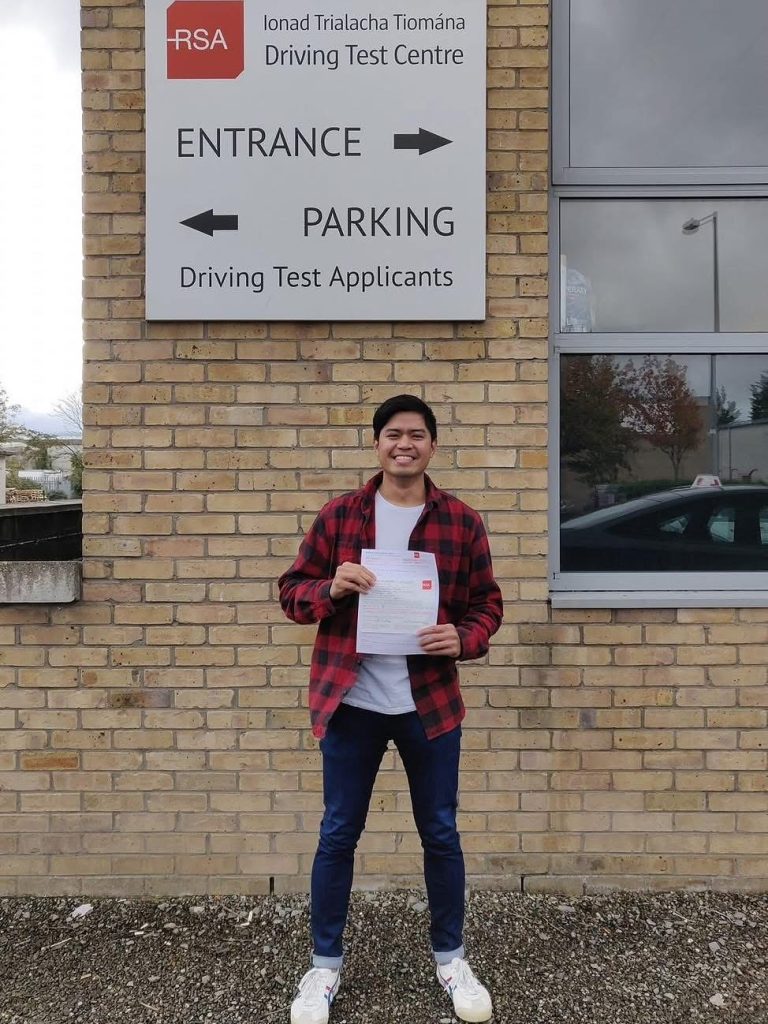
Everything You Need to Know About Getting and Keeping Your Driving Licence
Whether you’re a teenager itching to hit the road for the first time or an experienced driver facing a renewal, the process of obtaining and maintaining a driving licence can feel like a maze of forms, deadlines, and legal jargon. This guide walks you through each step, highlights the most common pitfalls, and gives you handy tables and checklists so you can stay organized and confident behind the wheel.
1. Why a Driving Licence Matters
A driving licence is more than a piece of plastic—it’s legal proof that you’re qualified to operate a motor vehicle on public roads. It also serves as a widely‑accepted form of identification, and many insurance policies and employment contracts require a valid licence. In short, keeping yours up‑to‑date safeguards your mobility, your safety, and often your livelihood.
2. Types of Licences at a Glance
| Licence Type | Minimum Age | Typical Vehicle(s) | Key Privileges |
|---|---|---|---|
| Learner’s Permit (L‑Plate) | 15 ½ – 16 (varies by state) | Any car, subject to supervision | Practice driving under a qualified adult |
| Provisional / Intermediate Licence (P‑Plate) | 16 – 18 | Cars, light trucks | Drive unsupervised but with restrictions (e.g., night curfew, passenger limits) |
| Full (Unrestricted) Licence | 18 – 21 | All standard road vehicles | No time‑of‑day or passenger restrictions |
| Commercial Driver’s Licence (CDL) | 21 (18 with restricted use) | Large trucks, buses, hazardous‑material vehicles | Authorised to operate commercial vehicles |
| Motorcycle Licence | 16 – 18 (varies) | Motorbikes, scooters | Ride two‑wheelers; may require separate endorsements |
Tip: Some jurisdictions bundle the provisional and full licences into a single “standard” licence with built‑in time‑based restrictions. Check your local motor vehicle department (MVD) for exact naming conventions.
3. Step‑by‑Step Roadmap to Your First Licence
- Check Eligibility – Verify your age, residency status, and any health requirements (vision test, medical questionnaire).
- Study the Driver’s Handbook – Most states offer a free PDF or printed guide. Highlight road signs, right‑of‑way rules, and safe‑driving practices.
- Pass the Knowledge Test – Usually a multiple‑choice exam administered at an MVD office or approved testing centre.
- Obtain a Learner’s Permit – Pay the fee, provide identification, and pass the vision screening. You’ll receive an L‑Plate to display while practicing.
- Log Supervised Hours – Many regions require a minimum number of driving hours (e.g., 40‑50 hours including night driving). Keep a signed logbook.
- Complete a Driver Education Course – Some states waive part of the behind‑the‑wheel requirement if you finish an approved course.
- Schedule the Road Test – Bring your permit, logbook, and a road‑worthy vehicle that meets inspection standards.
- Pass the Road Test – Demonstrate basic maneuvers (parallel park, three‑point turn, lane changes) and safe driving habits.
- Receive Your Provisional Licence – You’ll likely have restrictions for a set period (e.g., no passengers under 21 for the first six months).
- Upgrade to Full Licence – After meeting the restriction period and maintaining a clean driving record, apply for an unrestricted licence.
4. Renewal & Maintenance Checklist
| Renewal Frequency | Typical Cost (USD) | Required Documents | Common Issues |
|---|---|---|---|
| Every 4–8 years (varies) | $30‑$100 | Current licence, ID proof, proof of residence, renewal form | Expired photo, unpaid traffic tickets, missed vision test |
| Address Change (any time) | No fee (often) | Updated proof of address (utility bill, lease) | Missed mailings, outdated mailing address |
| Name Change (marriage, etc.) | $10‑$20 | Marriage certificate or court order | Incorrect name on insurance, mismatched records |
Quick Renewal Checklist
- Verify expiration date (usually printed on the front).
- Gather a recent utility bill or rental agreement for address verification.
- Check for outstanding traffic citations—clear them before renewing.
- Schedule a vision test if required (some states auto‑renew if your last test was within 2 years).
- Update your photo if your appearance has significantly changed (most jurisdictions allow you to keep the same photo).
5. Common Pitfalls & How to Avoid Them
| Pitfall | Why It Happens | How to Prevent It |
|---|---|---|
| Missing the renewal deadline | Forgetting the date or assuming it’s automatic. | Set a calendar reminder 30 days before expiration. |
| Driving with a suspended licence | Overlooking a fine or unpaid court fee. | Regularly check your online driving record. |
| Improper display of L‑Plate or P‑Plate | Ignorance of state‑specific placement rules. | Review your state’s motor vehicle handbook each time you receive a new plate. |
| Failing the road test on first try | Nerves or insufficient practice. | Practice with a certified instructor and simulate test routes. |
| Incorrect documentation for renewal | Misreading the required forms. | Download the official checklist from your MVD website and tick each item off. |
6. Frequently Asked Questions
Q1: How many supervised driving hours do I need before taking the road test?
A: It varies by state—most require between 40 and 50 hours, with at least 10‑15 hours at night. Check your local MVD for exact numbers.
Q2: Can I take the knowledge test online?
A: Some jurisdictions now allow a fully online written test, while others still require an in‑person exam. Visit your state’s motor vehicle website for the latest options.
Q3: What happens if I lose my licence abroad?
A: Contact your home country’s embassy or consulate for a temporary replacement. You’ll usually need a police report, proof of identity, and a passport‑style photo.
Q4: Do I need a separate licence for a motorcycle?
A: Yes, most states require a motorcycle endorsement (M‑Class) or a separate motorcycle licence after completing a specific safety course.
Q5: How often do I need a vision test?
A: Typically every 2–4 years, but some states tie it to the renewal cycle. If you wear glasses or contacts, bring them to the test.
Q6: Can I transfer my licence if I move to another state?
A: Absolutely—most states allow you to exchange your existing licence for a new one within a set period (often 30–60 days). You’ll need proof of identity, residency, and possibly a new vision screen.
7. Final Thoughts
Securing and maintaining a driving licence isn’t just a bureaucratic hurdle; it’s a cornerstone of personal independence and responsibility. By following the steps outlined above, using the tables as quick reference points, and keeping the checklist at hand, you’ll navigate the process smoothly and stay compliant with the law.
Remember: the road rewards preparation, not haste. Take the time to study, practice, and stay organized—your future self (and fellow drivers) will thank you. Safe travels!