
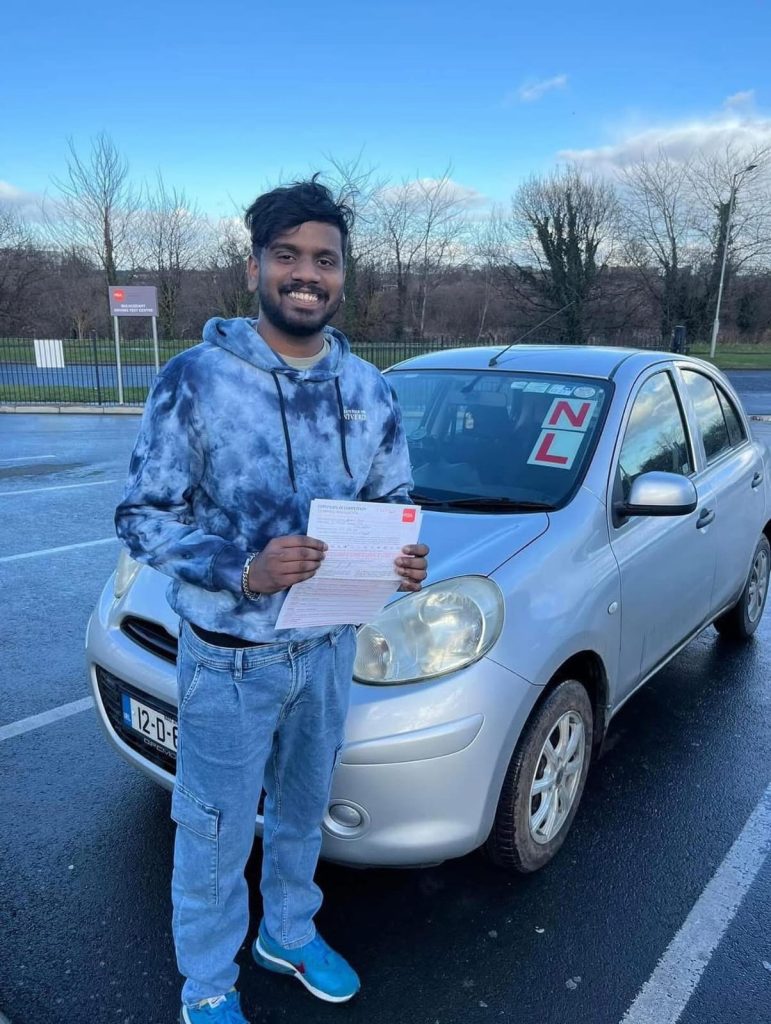
Is an International Driving License Valid in Ireland?
Your practical guide to driving legally on the Emerald Isle
When you land at Dublin Airport with a rental car reservation or a road‑trip plan across the Irish countryside, the first question that pops up is: Can I use my International Driving Permit (IDP) in Ireland, or do I need to swap it for a local licence?
Below you’ll find everything you need to know – from the legal basics to the paperwork, costs and common pitfalls – all written in a friendly, second‑person style so you can act confidently the moment you step off the plane.
1. Quick‑Look Summary Table
| Your Situation | Do you need an International Driving Permit (IDP)? | When must you exchange for an Irish licence? | Key Action |
|---|---|---|---|
| Tourist (≤12 months) holding a licence from an EU/EEA state | No – your EU licence is automatically recognised. | Not required while you’re a short‑term visitor. | Carry your original licence + a valid passport. |
| Tourist (≤12 months) holding a licence from a non‑EU country that is a 1910 Geneva Convention signatory (e.g., USA, Canada, Australia, Japan) | Yes – you need a valid IDP plus your home licence. | Not required while you’re a short‑term visitor. | Obtain the IDP before you travel. |
| Tourist (≤12 months) holding a licence from a non‑EU country not party to the 1910 Convention (e.g., some Asian or African states) | No – IDP not recognised. | You must obtain a full Irish licence within 12 months if you intend to stay longer. | Contact the Irish Naturalisation and Immigration Service (INIS) for a licence conversion. |
| Resident (≥12 months) – any foreign licence | No – IDP is only for visitors. | Must exchange for an Irish licence within 12 months of establishing residency. | Apply to the National Driver Licence Service (NDLS) with proof of residence. |
| Student or worker on a temporary work permit (≤12 months) | Same rules as tourists. | Same as above – no exchange needed if stay <12 months. | Keep your home licence and IDP handy. |
Tip: If you’re unsure whether your home country is part of the 1910 Geneva Convention, check the International Driving Permit page on the Irish Road Safety Authority (RSA) website – it’s a quick click away.
2. Why Ireland Treats Licences the Way It Does
Ireland follows the European Union’s mutual‑recognition principle. That means:
- EU/EEA licences are automatically accepted. No translation, no extra paperwork.
- Non‑EU licences are examined through the lens of international conventions. The 1910 Geneva Convention (the one most travellers use when they get an IDP) is the primary reference.
- Residency triggers a requirement to obtain a local licence, ensuring that long‑term drivers meet Irish medical, vision, and road‑safety standards.
Understanding this framework helps you see when the IDP is a convenience and when it’s a legal necessity.
3. How to Get an International Driving Permit (If You Need One)
A short, step‑by‑step list for the most common source countries:
- Check Eligibility – Your home licence must be valid (not expired, not suspended).
- Apply Through the Right Agency – In the U.S., it’s the AAA or AATA; in the UK, it’s the AA or RAC; in Canada, it’s the CAA.
- Provide Required Documents – Usually a passport‑size photo, a copy of your current licence, and a small fee (USD 15‑20, CAD 20, €15, etc.).
- Receive the IDP – It’s a paper booklet (usually A‑4 size) that must travel with your original licence; the IDP alone is not a licence.
- Check the Validity Period – Most IDPs are valid for one year from the date of issue, matching the typical tourist stay.
Remember: The IDP cannot be obtained once you are already in Ireland – you must sort it before you depart.
4. What to Do When You Arrive in Ireland
- Carry Both Documents – Keep your original licence and the IDP together in the car (a police stop can happen anywhere, from the M50 to a narrow Galway lane).
- Insurance Matters – Rental companies usually ask to see both documents before handing over the keys.
- Road Signs and Speed Limits – Ireland drives on the left; speed is posted in kilometres per hour. Familiarise yourself with the “give way” and “stop” signs before you set off.
- If You’re Staying Longer Than 12 Months – Book an appointment with the NDLS. You’ll need:
- Proof of identity (passport)
- Proof of residence (utility bill, rental agreement)
- Your foreign licence (original)
- A medical report if you’re over 70 or have a condition affecting driving
5. Common Mistakes and How to Avoid Them
| Mistake | Consequence | How to Prevent It |
|---|---|---|
| Forgetting the IDP at home. | Police may issue a fine or you could be forced to stop driving. | Put the IDP in a separate travel pouch and double‑check your packing list. |
| Assuming your US licence alone is enough. | You’ll be stopped at a checkpoint; the officer may not accept it. | Remember: the US is a 1910 Convention signatory only when paired with an IDP. |
| Driving after the IDP expires. | Invalid documentation – risk of fine or prosecution. | Note the expiry date on your calendar and renew before traveling again. |
| Not exchanging the licence after 12 months of residency. | Legal requirement breached; insurance may be void. | Set a reminder for the 11‑month mark to start the conversion process. |
| Using a “translated” licence (e.g., Google Translate). | Not considered official – will not be accepted. | Use an official IDP; translations are never a substitute. |
6. Frequently Asked Questions (FAQ)
Q1: I’m an EU citizen living in Ireland for work. Do I still need an IDP?
A: No. Your EU licence is fully recognised. Just carry it with your passport.
Q2: My licence is from South Africa, a non‑EU country. Does an IDP work?
A: South Africa is not a party to the 1910 Geneva Convention, so an IDP will not be accepted. You must apply for an Irish licence after establishing residency (or after 12 months if you’re only visiting).
Q3: Can I drive a rental car with just my passport and an IDP?
A: No. The rental company will require both your original foreign licence and the IDP. The passport is only needed for identification.
Q4: I’m on a short study‑abroad program (4 months). Do I need to exchange my licence?
A: No. As a visitor staying less than 12 months, you can use your home licence + IDP (if required). No exchange is needed.
Q5: What if I lose my foreign licence while in Ireland?
A: Report the loss to your home country’s licensing authority and obtain a replacement. Meanwhile, you can apply for a temporary Irish licence (if you’re a resident) or rely on the IDP plus a police report (if you’re a visitor).
Q6: Are there any fees for exchanging a foreign licence for an Irish one?
A: Yes. As of 2025, the standard fee is €55 for the application, plus a €5 charge for the photo and a €15 fee for the medical test (if required). Prices can vary, so check the NDLS website for the latest rates.
Q7: Do I need to take a driving test in Ireland?
A: Most EU licences are exchanged without a test. For many non‑EU licences, the NDLS may require a theory test and/or a practical driving test, depending on the country of origin. You’ll be notified during the application process.
7. Bottom Line – Your Action Checklist
- Before you travel: Verify whether your country’s licence is covered by the 1910 Geneva Convention. If yes, obtain an IDP.
- Pack wisely: Keep your original licence, IDP, and passport together in a safe yet accessible place.
- When you arrive: Show both documents to the car rental desk and keep them handy while driving.
- If you stay ≥12 months: Schedule an appointment with the NDLS within the first 11 months of residency. Gather proof of address, identity, and a medical report (if needed).
- Stay compliant: Remember that the IDP expires after one year – plan any future trips accordingly.
Driving through Ireland’s dramatic coastline, emerald fields, and historic towns can be a highlight of any trip. By confirming the validity of your International Driving Permit (or knowing when it isn’t needed), you’ll enjoy the open road without the worry of fines or legal hiccups. Safe travels, and may the Irish weather be ever in your favour!