
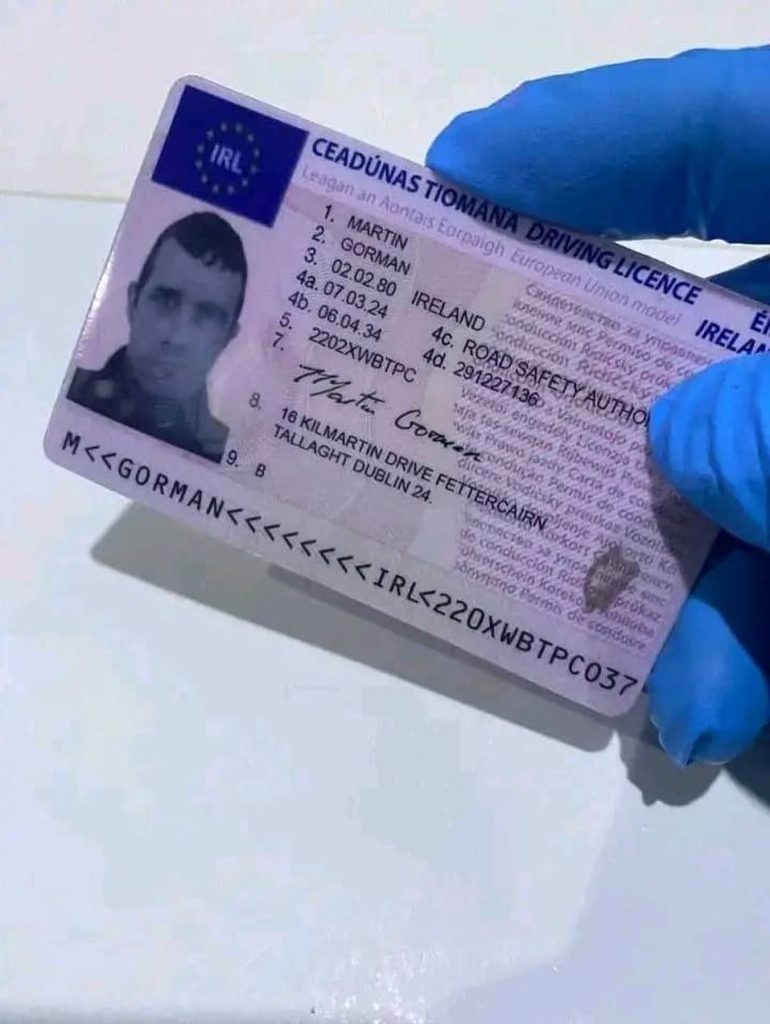
Driving License Counterpart: Everything You Need to Know
When you receive a brand‑new driving licence, you’ll notice it comes with a small, often overlooked piece of paper tucked inside the plastic card. That slip of paper is the driving licence counterpart – the official record of your licence that stays in the hands of the licensing authority. In this post you’ll learn what the counterpart is, why it matters, how to obtain or replace it, and what you need to keep in mind as a driver.
1. What Exactly Is a Driving Licence Counterpart?
| Feature | Driving Licence (Card) | Driving Licence Counterpart |
|---|---|---|
| Physical format | Plastic card (credit‑card size) with photo, QR code, and security features | Single‑sided A4 (or A5) paper, usually printed on security‑grade paper |
| Holder | You – the driver, kept in your wallet or glove compartment | The licensing authority (DVLA, DVA, etc.) |
| Legal status | Proof you are entitled to drive a vehicle on public roads | Official record of your licence details, used for verification and data updates |
| Contents | Photo, name, address, licence class, expiry date, condition codes | Full licence data, including any endorsements, medical restrictions, and a unique licence number |
| How it is used | Shown to police, insurers, car‑rental agencies | Cross‑checked by authorities when you apply for a new licence, renew, or change details |
In short, the counterpart is the master copy that the licensing body keeps on file. It mirrors everything on your plastic card but is stored separately to protect the integrity of the national driving‑record database.
2. Why Does the Counterpart Matter to You?
Even though you never handle the counterpart, it influences several everyday processes:
- Fast licence updates – When you change your address or correct a mistake, the authority updates the counterpart first, then prints a new card for you.
- Proof for third parties – Some employers, car‑share services, or insurance firms may request a “licence verification letter” that is generated from the counterpart data.
- Legal safeguard – If your card is lost or stolen, the counterpart ensures the authority can quickly issue a replacement without risking fraud.
Understanding the counterpart helps you appreciate why certain documentation is required during licence transactions and why the authority can often process requests faster than you might expect.
3. How to Get a New Counterpart (and When You Need One)
| Situation | What You Must Do | Typical Processing Time |
|---|---|---|
| First‑time licence issue | Submit an application (online or by post) with proof of identity, residency, and medical fitness. The counterpart is automatically created and stored by the authority. | 2‑3 weeks (card mailed to you) |
| Change of address | Fill out the online “change of address” form or send a signed letter. The authority updates the counterpart and issues a new card. | 1‑2 weeks |
| Name change (e.g., marriage) | Provide a certified marriage certificate or deed poll. The counterpart is amended, then a new card is printed. | 2‑4 weeks |
| Lost or stolen card | Report the loss online, pay the replacement fee, and request a new card. The counterpart remains unchanged; only the card is reissued. | 1‑2 weeks |
| Medical condition added/removed | Submit a medical report or GP statement. The authority updates the counterpart’s condition codes and issues an updated card. | 3‑6 weeks (depends on medical review) |
Tip: Keep a copy of any letters, emails, or reference numbers you receive from the licensing authority. They make follow‑ups smoother if something goes awry.
4. Quick Checklist: What to Have Ready When Dealing With the Counterpart
- Your current licence number – It appears on the front of your card and in any correspondence.
- Proof of identity – Passport, national ID card, or birth certificate.
- Proof of residency – Utility bill, council tax statement, or tenancy agreement (dated within the last three months).
- Relevant supporting documents – Marriage certificate, deed poll, medical report, or change‑of‑address confirmation.
- Payment method – Most services accept debit/credit cards or a postal order for fees.
Having these items at hand reduces back‑and‑forth and speeds up the whole process.
5. Common Myths About the Counterpart (Busted)
| Myth | Reality |
|---|---|
| “I need to keep the counterpart somewhere safe in case I lose my card.” | The counterpart never leaves the licensing authority; you only ever receive the plastic card. |
| “If my card is stolen, the counterpart can be used by thieves.” | No. The counterpart contains no physical document you can steal; it’s a secure digital record. |
| “I can request a printed copy of the counterpart for my records.” | You can request a driving licence summary (often called a “DVLA letter”) but not the official counterpart itself. |
| “Changing my address takes weeks because the counterpart must be mailed to me.” | The counterpart is updated electronically; only the new card is mailed. |
6. Frequently Asked Questions (FAQ)
Q1: Do I ever need to see the counterpart myself?
A: Not normally. The only time you might need a formal extract is when a court or an employer asks for a “driving licence verification letter,” which is generated from the counterpart data.
Q2: Can I view my counterpart online?
A: Most authorities provide an online portal (e.g., “View your driving licence” on the DVLA website) where you can see the same details stored in the counterpart, but you cannot download the original paper version.
Q3: What happens if the information on my card and the counterpart don’t match?
A: The authority will treat the counterpart as the source of truth. You should contact them immediately; they will issue a corrected card.
Q4: Is there a fee for updating the counterpart?
A: Updating details (address, name) is usually free, but a new licence card may incur a small issuance fee. Medical condition updates may involve additional administrative costs.
Q5: How long is a counterpart kept?
A: The record is retained for the life of the licence and archived for several years after the licence expires or is revoked, in line with data‑retention regulations.
7. Bottom‑Line Takeaway
Understanding the driving licence counterpart helps you navigate licence changes smoothly and avoid common pitfalls. While you never handle the counterpart directly, it underpins every update, renewal, or replacement you request. By keeping your personal documents organized, acting promptly when your details change, and using the authority’s online services, you’ll keep the counterpart—and your driving privileges—in perfect order.
Ready to Update Your Details?
- Visit the official licensing website for your region.
- Log in with your licence number and date of birth.
- Follow the guided steps to change address, name, or medical information.
- Pay any applicable fee and wait for your new card in the post.
And that’s it! Your counterpart will be updated automatically, ensuring your records stay accurate and your road‑time stays hassle‑free. Safe driving!