
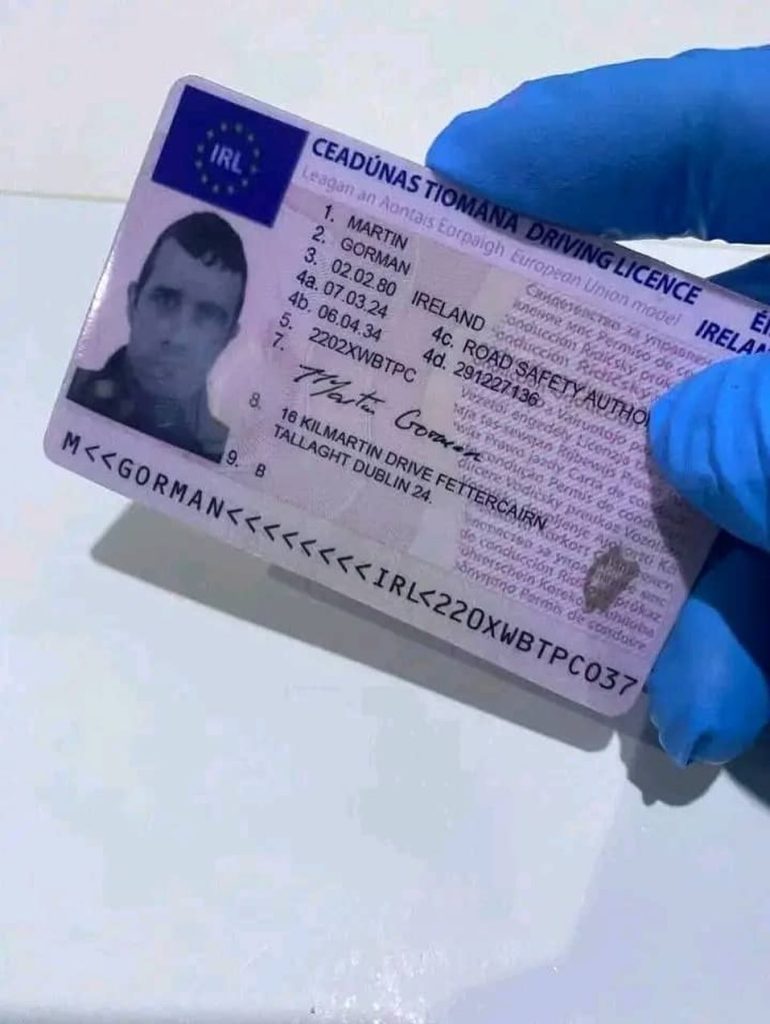
Ireland Driving Licence Categories – What You Need to Know
If you’re planning to hit the roads of the Emerald Isle—whether you’re a new resident, a student on exchange, or a tourist who wants to stay a little longer—you’ll soon discover that Ireland’s driving licence system is organized into a series of clear‑cut categories. Understanding these categories helps you know which vehicles you’re legally allowed to operate, the age you must be, and the medical or training requirements you’ll need to meet.
Below you’ll find an overview of each licence class, a handy reference table, and a quick checklist of the steps you’ll take to obtain or upgrade your licence. A short FAQ at the end tackles the most common questions newcomers ask.
1. Why the Category System Matters
Ireland follows the EU “Category” system (A, B, C, D, etc.) which aligns with most other European countries. This makes it easier to transfer a licence between member states and ensures that the competencies required for each vehicle type are consistent across borders.
When you apply for a licence, the category you choose determines:
| ✔️ What you can drive | 📅 Minimum age | 📄 Typical medical or training requirements |
|---|---|---|
| Motorcycles | 17‑24 (depending on engine size) | Theory test + two‑stage practical (off‑road & on‑road) |
| Cars | 17 (with learner permit) | Theory test + practical driving test |
| Heavy goods vehicles (HGV) | 18‑21 (depending on weight) | Theory, professional driver training, medical fitness |
| Buses & coaches | 21 (or 18 with appropriate experience) | Theory, professional driver training, medical fitness |
| Special vehicles (e.g., tractors, mopeds) | 16‑18 | Limited theory, practical may be waived |
Knowing which category applies to you saves you time and prevents costly mistakes—like attempting to rent a vehicle you’re not yet authorised to drive.
2. The Core Categories at a Glance
Below is the full list of licence categories currently issued in Ireland, together with the vehicle types they cover, the minimum age, and any special notes.
| Category | Vehicle Type(s) | Minimum Age | Key Requirements |
|---|---|---|---|
| AM | Mopeds ≤ 50 cc, electric bikes ≤ 45 km/h | 16 | Theory test only; no practical test needed |
| A1 | Light motorcycles ≤ 125 cc, ≤ 11 kW | 17 | Theory + practical (off‑road & on‑road) |
| A2 | Motorcycles ≤ 35 kW, power‑to‑weight ≤ 0.2 kW/kg | 19* | Theory + practical; must have A1 for 2 years or pass additional test |
| A | All motorcycles, no power limit | 21 (or 24 without A2 experience) | Theory + advanced practical; requires A2 for 2 years |
| B | Cars ≤ 3 500 kg, max 8 passenger seats | 17 (learner) / 18 (full) | Theory + practical road test |
| BE | Category B + trailer > 750 kg (total ≤ 4 250 kg) | 18 | Additional practical test with trailer |
| C1 | Light trucks 3 500–7 500 kg, max 8 seats | 18 | Theory + C1 practical |
| C1E | C1 + trailer > 750 kg (total ≤ 12 000 kg) | 18 | Additional trailer test |
| C | Heavy trucks > 7 500 kg, max 8 seats | 21 | Theory + C practical; professional driver licence (PDL) needed |
| CE | C + trailer > 750 kg (total > 12 000 kg) | 21 | Additional trailer test |
| D1 | Minibuses 9–16 seats, length ≤ 8 m | 21 | Theory + D1 practical |
| D1E | D1 + trailer > 750 kg | 21 | Additional trailer test |
| D | Buses > 8 seats, any length | 24 (21 with 2 years experience) | Theory + D practical; PDL required |
| DE | D + trailer > 750 kg | 24 (21 with experience) | Additional trailer test |
| T | Tractors & agricultural machinery | 16 | Theory test only for T, practical not required |
| L | Light quad‑bikes, mopeds, off‑road vehicles | 16 | Theory test only |
| G (Special) | Golf carts, low‑speed vehicles (≤ 25 km/h) | 16 | No formal test, but road‑worthy certification needed |
* A2 can be taken at 19 if you have already held an A1 licence for at least two years; otherwise the minimum age is 21.
3. Step‑by‑Step: Getting Your First Irish Licence
If you’re starting from scratch, here’s a concise checklist that walks you through the process.
- Apply for a Learner Permit
- Fill out the RV1 form (available online or at any National Driver Licence Service (NDLS) centre).
- Bring proof of identity, residency, and a passport‑style photo.
- Pass the Driver Theory Test (multiple‑choice, 30 questions, 20 min).
- Practice with a Supervisor
- You must display L‑plates on the vehicle.
- A qualified supervisor (minimum 21 years old, with a full licence for the vehicle type) must sit beside you.
- Book the Practical Test
- For Category B, you’ll need a DR2 (practical driving test) appointment.
- Bring the learner permit, a road‑worthy vehicle (insurance, NCT if applicable), and a valid ID.
- Pass the Test
- The test lasts about 40 minutes, covering normal road situations, manoeuvres, and hazard perception.
- If you pass, you’ll receive a full Category B licence within a few weeks.
- Upgrade or Add Categories
- For motorcycles, heavy vehicles, or buses, you’ll repeat the theory test for the new category and schedule the relevant practical test(s).
- Some categories (e.g., C, D) require a Professional Driver Licence (PDL), which adds a medical examination and a specific training course.
4. Common Mistakes to Avoid
| ❌ Mistake | ✅ How to Avoid It |
|---|---|
| Assuming a foreign licence lets you drive any vehicle in Ireland. | Check the exact category on your home‑country licence and verify the reciprocal agreement with Ireland. |
| Forgetting to display L‑plates while on a learner permit. | Keep a spare set in the car; police can issue fines on the spot. |
| Overlooking the NCT (National Car Test) requirement when using a car for your practical test. | Ensure the test vehicle has a valid NCT certificate; it must be up to date. |
| Not renewing your licence before it expires (usually every 10 years for full licences). | Set a calendar reminder 3 months ahead; you can renew online via the Driver Licence Online portal. |
| Ignoring medical requirements for heavy‑vehicle categories. | Book the required medical examination early; some conditions need specialist clearance. |
5. Frequently Asked Questions (FAQ)
Q1: Can I drive a car with a foreign licence while my Irish learner permit is pending?
A: Yes, if your foreign licence is valid and covers Category B. However, you must carry both licences and be prepared for a possible police check. If you become a resident, you’ll need to exchange it for an Irish licence within 12 months.
Q2: What’s the difference between a Category B licence and a Category BE licence?
A: Category B allows you to drive a car up to 3 500 kg with a trailer weighing up to 750 kg. BE adds the right to tow a heavier trailer, provided the combined weight does not exceed 4 250 kg. You’ll need an extra practical test with a trailer to obtain BE.
Q3: I’m 19 and have a Category A1 licence. Can I directly apply for a full Category A licence?
A: No. You must first hold an A2 licence for at least two years (or be 24 years old) before you can take the full A test.
Q4: How long is a learner permit valid?
A: Learner permits are valid for 2 years. If you haven’t passed the practical test within that period, you’ll need to re‑apply and retake the theory test.
Q5: Do I need a medical exam for a Category C1 licence?
A: Yes, a Class 2 medical certificate is required for all heavy‑vehicle categories (C1, C, D, etc.). It checks vision, cardiovascular health, and any conditions that could affect safe driving.
Q6: Is it possible to add a new category to an existing licence without retaking the theory test?
A: No. Each new category requires you to pass the theory test for that class, even if you already hold a full licence for another category.
6. Quick Reference Cheat‑Sheet
- Age 16‑17: AM, A1 (with parental consent), T, L.
- Age 18‑20: Full B (after learner), C1, D1 (if you meet experience criteria).
- Age 21‑24: A2, C, D (with experience), professional licences start at 21.
- Age 24+: Full A, any heavy‑vehicle or bus category without experience waivers.
Keep this sheet handy when you’re planning a driving lesson, a vehicle rental, or a licence upgrade.
Final Thought
Navigating Ireland’s driving licence categories might feel like a paperwork maze at first, but once you grasp the structure—what each letter stands for, the age limits, and the test requirements—you’ll be able to chart a clear path to the wheel. Whether you’re cruising the Wild Atlantic Way in a compact car or mastering the art of handling a heavy‑goods truck on the M1, the right licence category ensures you’re both legal and safe.
Ready to start? Grab the RV1 form, hit the theory test, and you’ll be on your way to exploring Ireland’s breathtaking roads with confidence. Safe driving!