
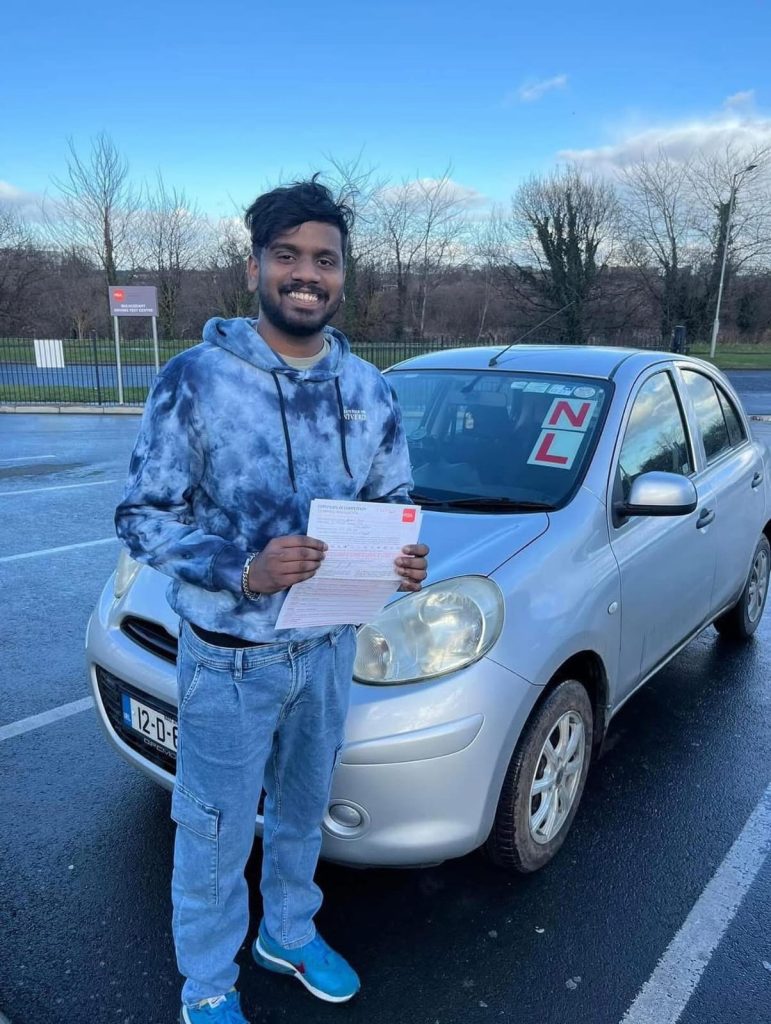
Everything You Need to Know About the Irish Provisional Driving Licence
If you’re about to hit the road in Ireland, the first step is getting a provisional driving licence. This guide walks you through the whole process – from eligibility to passing your test – so you can drive with confidence.
1. What Is a Provisional Licence?
A provisional licence (often called a learner permit) is the legal document that allows you to practice driving on public roads while you prepare for your full driver’s licence. With a provisional, you must obey a few strict rules:
- You must display L‑plates on the front and rear of the vehicle.
- You may only drive when accompanied by a fully‑licensed driver who has held a full licence for at least two years (or a qualified driving instructor).
- You cannot drive on motorways or in a bus lane.
Think of the provisional as your “training ticket” – it proves you’re learning legally and that you understand the responsibilities of a future driver.
2. Who Can Apply?
| Age | Minimum Requirement | Additional Notes |
|---|---|---|
| 17 – 18 | Must have a learner permit for a motorbike or car | You can apply for a car provisional at 17 ½ if you already hold a motorbike provisional. |
| 18 – 70 | No prior licence needed | Must pass a vision test and provide a medical declaration if applicable. |
| Over 70 | Must meet medical fitness standards | A medical report from a GP or a specialist is mandatory. |
If you are under 18, you’ll also need parental consent (or a guardian’s signature) on the application form.
3. Step‑by‑Step: How to Get Your Provisional Licence
- Gather Your Documents
- Proof of identity (Passport, Irish or UK driving licence, or a national identity card).
- Proof of address (Utility bill, bank statement, or a letter from a government agency – dated within the last 3 months).
- PPS number.
- If you’re over 70 or have a medical condition, a Medical Report Form (Form 1) signed by your doctor.
- Pass the Vision Test
- You can have this done at any National Driver Licence Service (NDLS) centre, an optician, or a GP. The required visual acuity is 6/12 (20/40) or better for each eye, with or without correction.
- Complete the Application Form
- Download Form D201 (Application for Driving Licence – Provisional) from the Road Safety Authority (RSA) website, or fill it out in person at an NDLS centre.
- Pay the FeeServiceFee (2025)Provisional licence (car)€55Provisional licence (motorbike)€45Replacement of a lost provisional€35Additional medical verification€20 – €40 (depending on the condition)Payments can be made by cash, debit/credit card, or via the online portal.
- Submit Your Application
- Hand your completed form and documents to an NDLS clerk. They will photograph you, capture your signature, and print your provisional licence on the spot.
- Start Learning!
- Once you have your licence, order L‑plates (available from most car accessory shops) and arrange lessons with a qualified instructor or a qualified supervising driver.
4. Key Rules While You’re a Learner
- L‑plates must be clearly visible at all times.
- No alcohol – the limit is 0.00% for provisional drivers.
- Speed limits are enforced strictly; you cannot exceed the posted limit.
- Mobile phones are prohibited, even if you’re using a hands‑free system.
- Insurance – you must have at least third‑party coverage for any vehicle you drive.
Breaking any of these rules can lead to penalty points, fines, or even a suspension of your provisional licence.
5. Preparing for the Theory Test
Before you can book the practical driving test, you must pass the Driver Theory Test. Here’s a quick checklist:
- Study the Rules of the Road and Road Safety manuals (available as PDFs from the RSA).
- Use an official practice test app – the RSA’s “Theory Test App” mimics the real exam format (multiple‑choice and hazard perception).
- Schedule the test online – you’ll need to book a 30‑minute slot; the cost is €45.
- Bring your provisional and a valid ID on test day.
You need at least 45 out of 50 marks in the multiple‑choice portion and 21 out of 40 in the hazard perception video clips.
6. The Practical Test – What to Expect
| Component | Duration | What Examiners Look For |
|---|---|---|
| Vehicle Safety Check | 5 min | Correct use of mirrors, seat adjustment, seat‑belt, hand‑brake, and lights. |
| Driving Maneuvers | 30 min | Controlled stops, hill starts, reverse parking, and three‑point turns. |
| On‑Road Driving | 30 min | Observation, signaling, speed control, and interaction with other road users. |
| Independent Driving (optional) | 15 min | Ability to follow sat‑nav directions without instructor prompts. |
You must achieve at least 10 points (out of 100) to pass. Fewer points mean you’ve performed better.
7. Frequently Asked Questions (FAQ)
Q1: How long is a provisional licence valid?
A: It is valid for 5 years from the date of issue, provided you keep it updated with any address changes.
Q2: Can I drive a motorbike with a car provisional?
A: No. You need a motorbike provisional (Category A or A1) to ride a bike on public roads.
Q3: Do I need a separate licence for a car and a scooter?
A: Yes. Each vehicle category (e.g., B for cars, A for motorcycles) requires its own provisional licence.
Q4: What happens if I lose my provisional licence?
A: Apply for a replacement at an NDLS centre. The fee is €35, and you’ll receive a new licence on the spot.
Q5: Can I take driving lessons from a family member?
A: Only if the family member holds a full licence for at least two years and meets the RSA’s “qualified driver” criteria (no more than 8 penalty points, no recent disqualifications).
Q6: Is there a minimum number of lessons required before I can sit the practical test?
A: There’s no legal minimum, but the RSA recommends at least 45 hours of supervised driving, including 20 hours of night driving.
8. Quick Checklist Before You Hit the Road
- Proven identity and address documents ready
- Vision test result (6/12 or better)
- Completed Form D201 and paid the €55 fee
- L‑plates purchased and installed correctly
- Valid insurance covering the learner driver
- Theory test passed (if you plan to take the practical test soon)
Keeping this list handy ensures you won’t miss any vital step and can focus on what matters most – becoming a safe, responsible driver.
Final Thoughts
Getting your Irish provisional driving licence is straightforward once you know the exact requirements and steps. By staying organized, respecting the learner‑driver rules, and investing time in both theory and practical lessons, you’ll be well on your way to achieving full licensure. Remember: every great driver started as a learner, so treat your provisional licence as the foundation for a lifetime of safe motoring.