
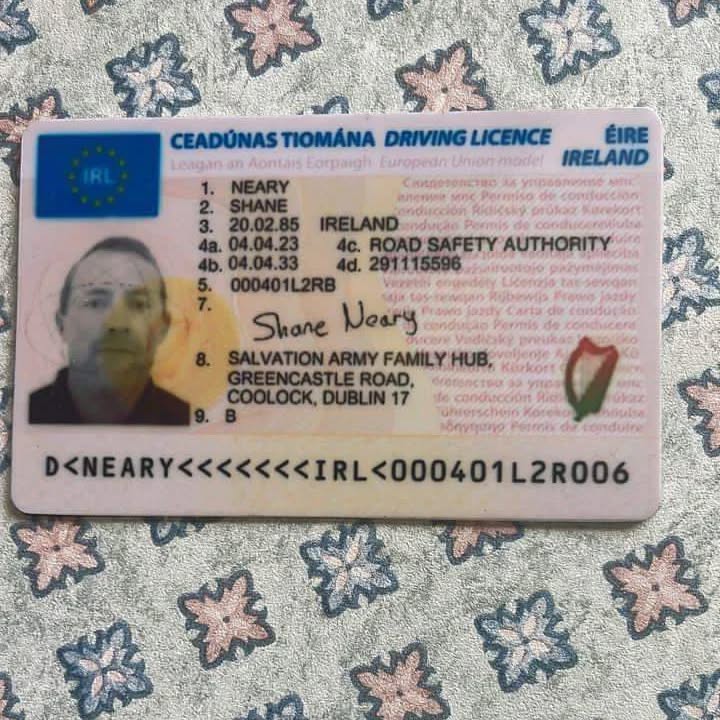
Driving License Categories Explained: Your Complete Guide
Whether you’re a brand‑new driver, an experienced motorist looking to add a trailer, or someone who’s just curious about what a “Category B” licence actually means, the world of driving‑license classifications can feel like a maze of letters and fine print. In this post we’ll break down every major licence category you’re likely to encounter, explain what each one lets you drive, outline the basic requirements, and answer the most common questions you’ll have along the way.
Why it matters: Knowing the right category not only keeps you on the right side of the law, it can also save you money (no need to pay for a higher‑level licence you’ll never use) and open up new opportunities – from delivering parcels on a scooter to hauling a caravan for a weekend getaway.
Table of Contents
- Quick Reference Table – all categories at a glance
- Understanding the Core Categories (A‑E)
- Specialist & Sub‑Categories – mopeds, tricycles, heavy trucks, and more
- How to Upgrade Your Licence – step‑by‑step process
- Frequently Asked Questions
- Key Takeaways & Checklist
1. Quick Reference Table
| Category | Typical Vehicles You Can Drive | Minimum Age* | Key Restrictions / Add‑ons |
|---|---|---|---|
| A | Motorcycles of any size (including side‑cars) | 24 (or 20 with CBT & 2‑yr experience) | Requires full motorcycle training; can tow a trailer up to 750 kg |
| A1 | Light motorcycles ≤125 cc, ≤11 kW, power/weight ≤0.1 kW/kg | 17 | No side‑cars; limited to 125 cc |
| A2 | Medium motorcycles ≤35 kW, power/weight ≤0.2 kW/kg | 19 | Cannot exceed 35 kW; may be upgraded to A after 2 yr |
| B | Cars ≤3 500 kg, ≤8 seats (plus driver) | 17 | Can tow a trailer ≤750 kg or a heavier trailer if combined ≤3 500 kg |
| B+E | B‑category vehicle + trailer >750 kg (combined >3 500 kg) | 18 | Requires B+E practical test |
| C | Rigid trucks >3 500 kg, up to 32 t | 21 (18 with CPC) | No passenger seats >8 |
| C1 | Light trucks 3 500–7 500 kg, ≤8 seats | 18 | Can tow ≤750 kg |
| C1+E | C1 vehicle + trailer >750 kg (combined ≤12 t) | 18 | Requires C1+E test |
| C+E | Rigid truck + trailer >750 kg (combined ≤44 t) | 21 (18 with CPC) | Full “articulated” rig test |
| D | Buses >8 seats, up to 43 t | 24 (21 with CPC) | No trailer unless D+E |
| D1 | Mini‑buses 9–16 seats, up to 7 500 kg | 21 | Can tow ≤750 kg |
| D1+E | D1 + trailer >750 kg (combined ≤12 t) | 21 | Requires D1+E test |
| D+E | D bus + trailer >750 kg (combined ≤44 t) | 24 (21 with CPC) | Full “articulated bus” test |
| BE (Moped) | Motor‑bikes ≤50 cc, ≤4 kW, max speed 45 km/h | 16 | Requires CBT and provisional licence |
* Minimum age is the standard statutory age; some categories allow a lower age with a Compulsory Basic Training (CBT) or Certificate of Professional Competence (CPC).
2. Understanding the Core Categories (A‑E)
Category A – The Motorcycle World
- What you can drive: Any two‑wheeled motor vehicle, from a 50 cc scooter to a 1 200 cc superbike, plus motorcycles with side‑cars.
- Why it’s split into A1, A2, and A: The split protects younger riders from high‑power machines while still giving them a clear progression path.
- Typical use‑cases: Daily commuting on a 125 cc bike (A1), weekend rides on a 600 cc sportbike (A2), or long‑distance touring on a 1 200 cc cruiser (A).
Category B – Your Everyday Car
- What you can drive: Standard cars, light vans, and small pickups up to 3 500 kg gross vehicle weight (GVW).
- Towing rules:
- Trailer ≤750 kg or a heavier trailer if the combined GVW is ≤3 500 kg – no extra test needed.
- For larger combinations, you’ll need the B+E extension.
- Common misconceptions: Many think a B licence automatically allows you to pull a caravan over 3 500 kg. It doesn’t – you need B+E.
Category C – Heavy Trucks
- What you can drive: Rigid (non‑articulated) trucks over 3 500 kg, up to 32 t.
- Who needs it: Professional drivers (logistics, construction) and anyone planning to drive a large delivery vehicle.
- Key add‑ons:
- C1 for lighter commercial vehicles (3 500 – 7 500 kg).
- C+E for articulated trucks – the “big rigs” you see on motorways.
Category D – Buses
- What you can drive: Vehicles built to carry more than eight passengers, up to 43 t.
- Why the split:
- D1 covers minibusses (9‑16 seats).
- D is the full‑size bus licence.
- Add‑ons: D+E for buses pulling a trailer (e.g., a double‑decker with a luggage trailer).
Category E – Trailer Extensions
- Purpose: Adds towing capacity to an existing licence (B, C, or D).
- How it works: You take a practical test with the vehicle‑trailer combination you intend to use.
3. Specialist & Sub‑Categories
| Sub‑Category | Vehicle Type | Typical Users | Key Notes |
|---|---|---|---|
| AM | Mopeds ≤50 cc, ≤4 kW, max 45 km/h | Teen riders (16‑17) | Requires CBT and provisional licence |
| B1 | Quad bikes ≤400 kg, ≤15 kW | Rural users, farmers | Usually covered under a B licence with B1 endorsement |
| C1+E | Light rigid truck + trailer >750 kg (combined ≤12 t) | Small haulage firms | Often the first step for owner‑operators |
| D1+E | Mini‑bus + trailer >750 kg (combined ≤12 t) | School transport, shuttle services | Requires D1+E test |
| C+E (Articulated truck) | Rigid truck + trailer >750 kg (combined ≤44 t) | Long‑haul freight, construction | Known as “rig” licence |
| CPC (Certificate of Professional Competence) | Professional driver qualification (C, C+E, D, D+E) | Commercial drivers | Mandatory for EU‑wide haulage; renewal every 5 yr |
When Do You Need These Specialist Licences?
- Mopeds: If you only want a 50 cc bike for short trips, go for an AM licence (available at 16).
- Quad bikes: Agricultural or off‑road enthusiasts often need a B1 endorsement.
- Small haulage: A C1 licence lets you drive a 7‑ton van – perfect for moving house or a small delivery firm.
4. How to Upgrade Your Licence – Step‑by‑Step
- Check Eligibility
- Confirm you meet the minimum age and any medical standards (e.g., eyesight, cardiovascular health).
- Complete Required Theory
- For most upgrades, you must pass the relevant theory test (e.g., Category C theory for trucks).
- Enroll in Practical Training
- Find an ADI‑approved driving school that offers the specific vehicle type.
- For motorcycle licences, start with a Compulsory Basic Training (CBT) session.
- Pass the Practical Test
- The test usually includes a vehicle safety check, off‑road manoeuvres, and on‑road driving.
- For trailer extensions, you’ll be assessed while pulling the trailer.
- Receive Your New Category
- The DVLA (or your national licensing authority) updates your licence within 2–3 weeks.
- Maintain Your Qualification
- Some categories, especially professional ones (CPC), require periodic refresher courses.
Quick Upgrade Checklist
- Minimum age met?
- Medical fitness certificate (if required) obtained?
- Theory test booked and passed?
- Practical lessons scheduled (minimum hours vary by category)?
- Test appointment confirmed?
- Post‑test licence update check (keep a copy of the test pass certificate until the new licence arrives).
5. Frequently Asked Questions (FAQ)
Q1: Can I drive a 4‑wheel drive (4×4) on a Category B licence?
A: Yes, as long as the vehicle’s GVW is ≤3 500 kg. Most consumer SUVs fit this limit.
Q2: Do I need a separate licence for a motor‑home?
A: If the motor‑home’s GVW is ≤3 500 kg, a standard B licence is enough. Heavier motor‑homes (often 3 600–4 500 kg) require a B+E licence.
Q3: I already have a Category A licence – can I ride a 125 cc scooter without retaking the test?
A: Yes. A full A licence covers all motorcycles, including 125 cc scooters.
Q4: What’s the difference between a “rig” licence and a “truck” licence?
A: “Rig” typically refers to an Articulated truck (C+E or D+E), meaning a tractor unit pulling a trailer. A “truck” licence (C) covers rigid, non‑articulated trucks.
Q5: How long does it take to get a Category C1 licence?
A: The timeline varies by training provider, but most candidates complete the theory and practical components within 6–8 weeks if they book consistently.
Q6: Do I need a medical exam for a Category D licence?
A: Yes. Bus drivers must pass a Group 2 medical test (vision, hearing, cardiovascular) and hold a valid CPC if they drive commercially.
Q7: Can I drive a vehicle with an automatic transmission on a manual licence?
A: Absolutely. A manual (standard) licence allows you to drive both manual and automatic vehicles. The reverse is not true – an automatic‑only licence restricts you to automatics.
Q8: What happens if I exceed the weight limit for my licence?
A: You could be fined, receive penalty points, and in severe cases face disqualification. Insurance may also be voided, leaving you liable for damages.
Q9: Is there a “universal” licence that covers everything?
A: No single licence covers all categories. The closest is holding A, B, C, D, and their E extensions, but most drivers only need a subset based on their vehicle use.
Q10: How often do I need to renew my licence?
A: In most jurisdictions the licence itself is valid for 10 years, but professional categories (CPC) require a 5‑year renewal of the competency certificate.
6. Key Takeaways & Your Personal Checklist
- Identify the vehicle(s) you’ll drive – cars, motorcycles, trucks, buses, or trailers.
- Match the vehicle to its licence category using the Quick Reference Table.
- Check age, medical, and training requirements before you book a test.
- Plan your upgrade path: many drivers start with Category B and later add A (motorcycle) or C1/B+E (light truck or trailer).
- Keep records of all theory pass certificates and practical test results. They’re often needed when applying for the next category.
- Stay compliant – professional drivers must maintain CPC and periodic health checks.
Ready to Get Behind the Wheel?
Now that you have a clear map of the licensing landscape, you can choose the right path with confidence. Whether you’re aiming for the open road on a motorcycle, planning a family road‑trip with a motorhome, or embarking on a logistics career with a big rig, the correct licence category is the first step toward safe and legal driving.
Safe travels, and enjoy the freedom that comes with a properly qualified licence!