
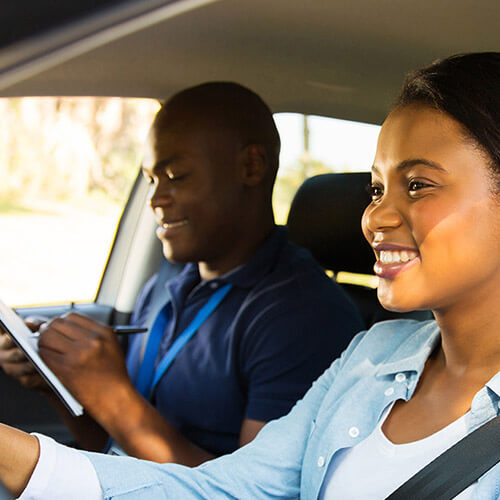
Your Complete Guide to Getting a Driving Licence in Northern Ireland
Introduction
If you’re living, working or studying in Northern Ireland, the first step to gaining independence on the road is obtaining a driving licence. The process may look daunting, but with the right information you can navigate each stage confidently. This guide walks you through everything you need to know – from eligibility criteria and documentation to fees, vehicle categories, renewal rules and common pitfalls.
By the end of the article you’ll be able to answer questions such as:
- What documents do I need to apply?
- How much will the licence cost?
- When do I have to renew or replace it?
Let’s get started.
1. Who Can Apply?
| Eligibility Factor | Requirement | What You Need to Do |
|---|---|---|
| Age | ≥ 17 years for a car (Category B) | Provide proof of age (passport, birth certificate) |
| Residency | You must be a resident of Northern Ireland (NI) and legally present in the UK | Show a recent utility bill, council tax statement, or tenancy agreement (dated ≤ 3 months) |
| Health | Must meet the DVA (Driver & Vehicle Agency) medical standards | Complete the DVA medical questionnaire if you have a condition that could affect driving |
| Disqualifications | No current driving bans, court‑ordered suspensions, or unspent convictions that affect driving | Check your status on the DVA licence check website first |
Tip: If you’re an EU/EEA citizen and already hold a licence from another EU country, you can use it for up to 12 months after moving to NI before you must exchange it for a UK licence.
2. The Application Journey – Step‑by‑Step
Below is the typical pathway for a first‑time car licence (Category B). The same structure applies to motorcycles, vans, buses, etc., with minor variations in required documents and tests.
- Get a Provisional Licence
- Apply online via the DVA website or complete the D1 form (available at post offices).
- Pay the provisional fee (see Table 2).
- You’ll receive a paper provisional licence that’s valid for 10 years.
- Pass the Theory Test
- Book through the DVA portal.
- The test includes 50 multiple‑choice questions (65% pass mark) and a hazard‑perception video segment.
- Study the official Highway Code and use the DVA practice apps.
- Book and Pass the Practical Driving Test
- Schedule at least 7 days after passing the theory test.
- The test lasts up to 40 minutes and covers: eyesight check, “show me / tell me” vehicle safety questions, independent driving, and various manoeuvres.
- Receive Your Full Licence
- Once you pass, the examiner will send a pass certificate to the DVA.
- Your full licence will be posted within 3 weeks.
3. Fees at a Glance
| Service | Online | Post Office | Notes |
|---|---|---|---|
| Provisional Licence (Category B) | £34 | £34 (D1 form + £5 admin) | Valid for 10 years |
| Theory Test (Car) | £23 | N/A | Includes hazard‑perception video |
| Practical Test (Car) | £62 (weekday) / £75 (evening/weekend) | N/A | Includes retest if you fail a manoeuvre |
| Full Licence (first issue) | £34 | £34 | Sent by post, free if you already have a provisional |
| Licence Renewal (every 10 years) | £34 | £34 | Same cost as first issue |
| Replacement (lost/damaged) | £20 | £20 | Faster processing online |
Important: Prices are accurate as of 2025 and are subject to change; always check the DVA website for the latest rates.
4. Vehicle Categories – Which One Do You Need?
The UK uses a letter‑based classification system. Below is a simplified table of the most common categories for everyday drivers.
| Category | Vehicle Type | Maximum Weight | Passenger Capacity | Typical Use |
|---|---|---|---|---|
| A | Motorcycles (including mopeds) | No limit | 1 passenger | Bike commuting, leisure riding |
| B | Cars, small vans, motorhomes | ≤ 3,500 kg | Up to 8 passengers + driver | Standard car licence |
| C1 | Medium‑size trucks | 3,500 kg – 7,500 kg | Up to 8 passengers + driver | Small haulage, delivery vans |
| C | Large trucks | > 7,500 kg | Up to 8 passengers + driver | Heavy goods vehicles (HGV) |
| D1 | Minibuses | ≤ 7,500 kg | 9‑16 passengers + driver | School buses, shuttle services |
| D | Full buses | No weight limit | > 16 passengers + driver | Public transport, coach services |
Quick Checklist:
- If you only need a car licence, apply for Category B.
- For motorcycles, you must first obtain a Category A1 (light motorcycle) or go straight to A after passing the relevant tests.
- Adding a new category later involves a separate practical test for that vehicle class.
5. Renewal, Replacement & Updating Details
5.1 When to Renew
- Every 10 years for a standard licence.
- If you change address, name, or medical condition, you must inform the DVA within 28 days.
5.2 How to Renew
| Method | Steps | Timeframe |
|---|---|---|
| Online | Log in to DVA account → Choose “Renew licence” → Pay £34 → Upload address proof if changed | 5‑7 working days (paper sent) |
| Post | Complete the renewal form sent with your licence → Return with fee | 2‑3 weeks (paper sent) |
5.3 Replacing a Lost or Damaged Licence
- Report the loss to the police (optional but recommended).
- Apply online or via post using the replacement form.
- Pay the £20 fee; you’ll receive a temporary digital licence instantly, with the physical card arriving later.
6. Common Pitfalls & How to Avoid Them
| Pitfall | Consequence | How to Prevent It |
|---|---|---|
| Forgetting to bring your provisional licence to the practical test | Test cancelled, you must re‑book | Keep the licence in a dedicated folder and double‑check the appointment reminder |
| Not meeting the eyesight standard (6/12 or better) | You’ll be asked to retake the eyesight check | Book an eye test a week before the practical test; bring corrective lenses if needed |
| Providing an outdated address proof (older than 3 months) | Application rejected, delay of up to 4 weeks | Use the most recent utility bill or council tax statement |
| Driving with a medical condition you didn’t disclose | Licence may be revoked, legal penalties | Complete the medical questionnaire honestly; the DVA may ask for a doctor’s report |
| Taking the theory test without sufficient practice | Low pass rate, wasted fees | Practice at least 50 mock tests; focus on hazard‑perception clips |
7. Frequently Asked Questions (FAQ)
1. Can I use my EU licence after Brexit?
Yes, for the first 12 months you can drive with a valid EU licence. After that, you must exchange it for a UK licence (no test required if the licence is still valid).
2. Do I need a separate licence for a car and a van?
If the van’s maximum authorised mass (MAM) is ≤ 3,500 kg and you already hold a Category B licence, you can drive it without additional testing. Heavier vans require Category C1.
3. What if I fail the practical test?
You can re‑book after 10 working days. You will need to pay the practical test fee again, but the same pass certificate can be used for subsequent attempts.
4. Is there a discount for students?
The DVA does not offer specific student discounts, but many driving schools provide reduced rates for students. Always compare the total cost (school fees + DVA fees).
5. How long does it take to get the licence after I pass the practical test?
Typically 3 weeks. You will receive a temporary paper licence on the day of the test, valid for 28 days, while you wait for the plastic card.
6. Can I drive abroad with a UK licence?
A UK licence is recognised throughout the EU, EEA, and many other countries. For long‑term stays, check the destination country’s rules; you may need an International Driving Permit (IDP).
7. What happens if I change my name after marriage?
Log into your DVA account, select “Update personal details,” upload a marriage certificate, and pay a £10 fee for a new licence.
8. Quick‑Reference Checklist
- Gather Documents
- Proof of identity (passport/BI)
- Proof of NI address (≤ 3 months)
- NI number (if known)
- Medical questionnaire (if required)
- Apply for Provisional Licence – online or D1 form.
- Study the Highway Code + use DVA practice apps.
- Pass Theory Test – book at least 2 weeks in advance.
- Book Practical Test – ensure you have at least 20 hours of supervised driving.
- Take Practical Test – bring provisional licence, glasses (if applicable), and a road‑worthy vehicle.
- Receive Full Licence – wait up to 3 weeks for the card.
- Set Calendar Reminders – renew every 10 years; update any personal changes within 28 days.
9. Final Thoughts
Obtaining a driving licence in Northern Ireland is a structured process, but it’s far from insurmountable. By preparing your documents, tackling the theory and practical exams methodically, and staying on top of renewal dates, you’ll enjoy the freedom of the road with confidence.
Remember: the licence is a privilege, not a right. Keep your driving record clean, maintain your vehicle, and always drive responsibly.
Safe journeys!