
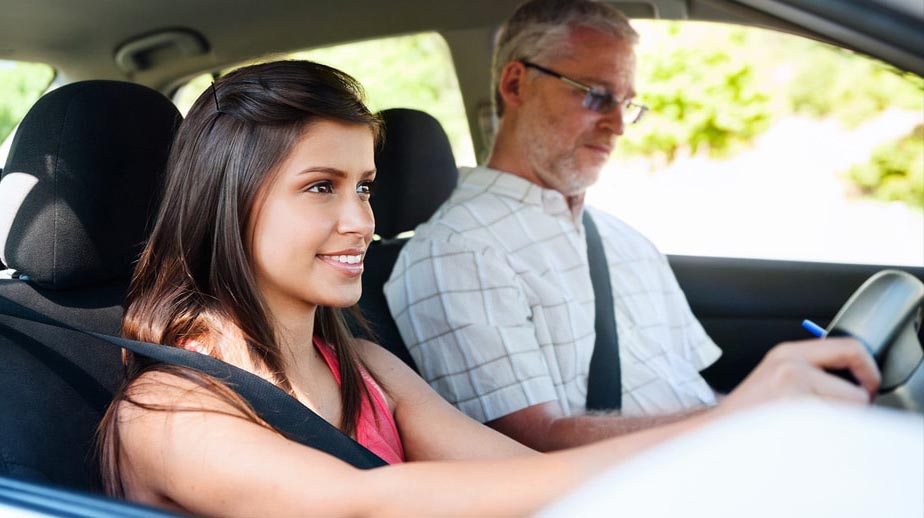
Your Complete Guide to Getting a Scooter Licence
Whether you’re eyeing a zippy 50 cc moped for your daily commute or a sleek electric scooter for weekend rides, the first legal hurdle is the same: you need a licence. In many jurisdictions the term “scooter” covers a broad spectrum of two‑wheeled vehicles, each with its own licensing rules. This post walks you through everything you need to know—requirements, costs, preparation tips, and the paperwork you’ll complete—so you can hit the road with confidence and stay on the right side of the law.
1. What Kind of Scooter Are You Planning to Ride?
| Scooter Type | Engine/Power | Top Speed* | Typical Licence Required | Age Minimum |
|---|---|---|---|---|
| Moped (≤50 cc) | Gasoline, ≤50 cc | ≤45 km/h (28 mph) | Moped / AM (or a full car licence in some regions) | 14‑16 (varies) |
| Motor Scooter (50‑125 cc) | Gasoline, 50‑125 cc | 50‑80 km/h (31‑50 mph) | A1 (or B with “motorcycle endorsement”) | 16‑18 |
| Motorcycle (≥125 cc) | Gasoline, >125 cc | >80 km/h | A2 (up to 35 kW) or A (unrestricted) | 18‑24 (progressive) |
| Electric Scooter (≤250 W) | Battery, ≤250 W | ≤25 km/h (15 mph) | Often no licence, but local rules may demand a B1 or “light electric vehicle” permit | 16‑18 (if required) |
| Electric Motorbike (≥250 W) | Battery, >250 W | >25 km/h | Same as gasoline motorbike (A1, A2, A) | 16‑18 |
*Top speed is a typical legal limit; actual performance can vary.
Key takeaway: Most people who think of a “scooter” are actually referring to a 50‑125 cc motor scooter. If that’s you, you’ll likely need an A1 licence (or a full car licence with a motorcycle endorsement).
2. Understanding Licence Categories (European Example)
If you’re outside Europe, the nomenclature may differ (e.g., “Class M” in the U.S. or “Category L” in some Asian countries). Below is a quick cross‑reference for the most common systems:
| Local Category | EU Equivalent | Typical Vehicle | Minimum Age |
|---|---|---|---|
| Class M1 (US) | A1 | 50‑125 cc scooter | 16 |
| Class M2 (US) | A2 | 125‑500 cc bike | 18 |
| Class M (US) | A | >500 cc motorcycle | 18 |
| Class L (AU) | AM/ A1 | Mopeds & light scooters | 16 |
| Class B (UK) | B + A1 endorsement | Car + scooter | 17‑18 |
Check your national transport authority’s website for exact equivalents.
3. Step‑by‑Step Process to Obtain Your Scooter Licence
Below is a practical roadmap you can follow from start to finish.
| Step | What You Do | How Long It Takes | Typical Cost* | Tips for Success |
|---|---|---|---|---|
| 1. Verify Eligibility | Confirm age, residency, vision, and medical fitness. | 1 day | €0‑€20 (vision test) | Schedule a quick eye exam at a local optometrist; many clinics offer a “motor vehicle” check. |
| 2. Choose the Right Licence Category | Decide based on scooter engine size and intended use. | 1 day | Free (research) | Use the table above to match your scooter’s specs. |
| 3. Enrol in a Certified Training School | Theory + practical lessons (usually 12‑20 h total). | 2‑4 weeks (flexible) | €150‑€400 | Look for schools with high pass rates; many offer a “package” that includes the exam fee. |
| 4. Pass the Theory Test | Multiple‑choice on road rules, signs, scooter‑specific safety. | 30 min‑1 h (exam day) | €30‑€50 | Use official practice apps; memorize speed limits for different licence classes. |
| 5. Complete Mandatory Practical Training | Controlled‑area manoeuvres, emergency stops, lane changes. | 6‑10 h on a closed course | Usually bundled with school fee | Practice clutch control (if manual) and braking on both wheels. |
| 6. Pass the Practical Road Test | Ride on public roads with examiner; demonstrate safe handling. | 20‑30 min (exam day) | €60‑€100 | Bring a well‑maintained scooter that meets technical inspection standards. |
| 7. Receive Your Licence | Issued on the spot (temporary) or mailed within 2 weeks. | 1 day‑2 weeks | Included in exam fee | Store your licence safely; you’ll need it for insurance. |
| 8. Insure Your Scooter | Minimum liability coverage required by law. | Immediate | €150‑€400 / year | Compare quotes online; many insurers offer discounts for rider safety courses. |
*Costs are indicative for European Union countries; adjust for local currency.
Quick Checklist Before You Book the Test
- Valid ID (passport or national ID card).
- Proof of address (utility bill, rental contract).
- Medical certificate (if required for your age group).
- Two passport‑size photos (often needed for the licence application).
- Scooter in road‑worthy condition (lights, horn, brake lights, tyre tread ≥1.6 mm).
4. Preparing for the Theory Exam
- Download the Official Handbook – Most transport agencies provide a free PDF.
- Take a Mock Test – Aim for 90 % correct answers before scheduling the real exam.
- Highlight Scooter‑Specific Rules – Things like “no passenger on mopeds over 50 cc” or “helmet mandatory for all riders.”
- Memorise Road Sign Colours – Red circles mean “prohibition”; blue circles indicate “mandatory actions.”
5. Practical Riding Tips for New Scooter Drivers
- Start Slow: On your first month, keep speeds below 30 km/h until you feel comfortable with balance and throttle control.
- Use Both Brakes: Scooters often have a combined front/rear brake lever; practice modulating each to avoid skidding.
- Check the “Dead‑Man’s Switch” (if present). Some scooters have a safety switch that cuts engine power when released; know how it works.
- Protect Your Eyes: A good UV‑blocking helmet visor reduces glare on sunny days.
- Stay Visible: Wear reflective clothing and use the scooter’s headlights even during daylight.
6. Costs Beyond the Licence
| Expense | Approximate Annual Cost | Notes |
|---|---|---|
| Insurance (Liability) | €150‑€400 | Rates drop after 2‑3 claim‑free years. |
| Road Tax / Registration | €30‑€100 | Some EU countries have a “scooter tax” based on engine size. |
| Maintenance | €100‑€250 | Oil changes (if gasoline), tyre replacement, brake pads. |
| Fuel / Electricity | €50‑€150 | 50 cc scooters consume ~2 L/100 km; electric models cost ~€0.10/kWh. |
| Safety Gear | €80‑€250 (one‑time) | Helmet, gloves, jacket, boots. |
Factor these into your budget before you decide which scooter to buy.
7. Frequently Asked Questions (FAQ)
Q1: Can I ride a 125 cc scooter with a regular car licence (B)?
A: In many EU states, a B licence with a “motorcycle endorsement” (code 96) allows you to ride up to 125 cc. However, you still need to complete the brief training and pass the theory test for that endorsement.
Q2: Do electric scooters need a licence at all?
A: For low‑power models (≤250 W, max speed 25 km/h) most countries treat them like “personal mobility devices,” requiring no licence. If the power exceeds these limits, you’ll need the same licence as a comparable gasoline scooter.
Q3: What if I already have an A2 licence—can I ride any scooter?
A: Yes. An A2 licence (up to 35 kW) covers all motor scooters up to 125 cc and many larger motorcycles, provided they meet the power limit.
Q4: How long is a scooter licence valid?
A: In most jurisdictions, the licence is valid for 10 years for adults (15‑20 years for younger riders). You’ll need a medical renewal only if you’re over 70 or have a health condition affecting driving.
Q5: Are there any exemptions for disabled riders?
A: Some countries issue a “restricted licence” that allows you to operate a scooter with adapted controls (hand‑operated throttle, foot‑brake modifications). Check with your local transport authority for the exact process.
Q6: Can I take the test on a borrowed scooter?
A: Generally, the examiner will require a scooter that matches the licence category you’re applying for and that meets technical standards (valid MOT, lights, horn). Borrowing is fine as long as the bike is road‑legal.
Q7: What penalties do I face if I ride without a licence?
A: Penalties range from fines (€200‑€1 000) to court summons, and in some regions you may also have your scooter impounded. Insurance will be void, leaving you liable for any damages.
8. Common Mistakes to Avoid
| Mistake | Why It’s a Problem | How to Prevent It |
|---|---|---|
| Skipping the practical lesson | You might pass the test, but lack safe handling skills. | Book the full package with a reputable school; practice extra hours if possible. |
| Using a non‑compliant helmet | Fines + higher injury risk. | Purchase a helmet that meets ECE R44.05 or DOT standards. |
| Riding a scooter that fails the technical inspection | Your licence can be revoked on the spot. | Get a pre‑inspection at a garage; fix any faults before the test day. |
| Assuming an electric scooter is “license‑free” | You could be breaking the law if the scooter exceeds power limits. | Check the motor’s wattage and top speed; verify local regulations. |
| Neglecting insurance | You’ll be uninsured and liable for accidents. | Get at least the mandatory liability coverage; compare quotes online. |
9. Final Checklist – Are You Ready?
- Confirm your age and residency requirements.
- Identify the correct licence category for your scooter.
- Book a theory test and allocate study time (minimum 8 hours).
- Enrol in a certified training school for practical lessons.
- Schedule a medical/vision check if required.
- Prepare documents (ID, address proof, photos).
- Ensure your scooter passes the technical inspection.
- Obtain insurance before your first ride.
If you tick all the boxes, you’re on track to join the growing community of scooter commuters who enjoy low‑cost, low‑impact travel while staying fully legal.
Take the First Step Today
Getting a scooter licence may feel like a paperwork marathon, but the payoff is worth it: freedom to zip through traffic, reduced fuel costs, and the satisfaction of mastering a new vehicle. Grab the official handbook, sign up for that theory course, and before you know it you’ll be cruising down the city streets with confidence and a valid licence in your pocket.
Safe riding! 🚦🛵