
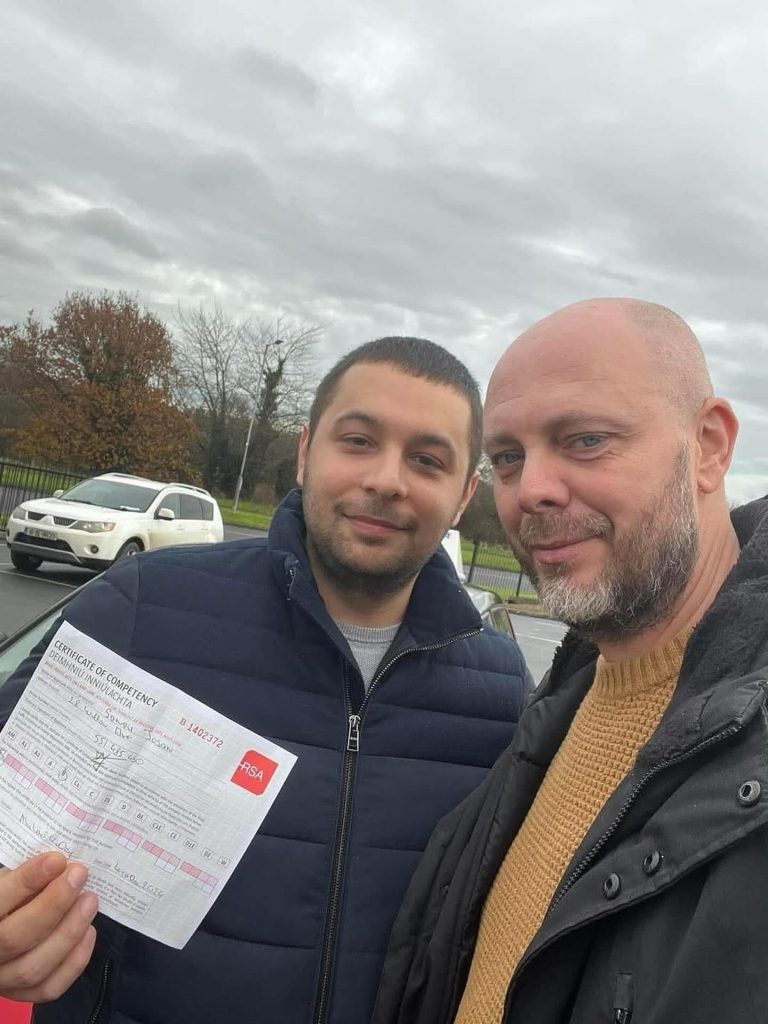
Can You Drive While You’re Waiting for Your License?
An Informative Guide for Anyone Who’s Got Their Learner’s Permit, a Temporary License, or Just a Pending Application
Introduction
You’ve passed the written test, you’ve paid the fee, and now you’re staring at the “pending” status on the DMV website. While the official driver’s license is being printed and mailed, you’re probably wondering: Can I legally drive in the meantime?
The short answer is it depends – on where you live, what kind of provisional document you have, and how you intend to use the vehicle. In this post we’ll walk you through every scenario, break down the legal nuances state‑by‑state, and give you a step‑by‑step checklist so you never find yourself on the wrong side of the law.
1. The Different Types of “In‑Between” Documents
| Document | When You Get It | Typical Restrictions | Who Usually Issues It |
|---|---|---|---|
| Learner’s Permit | After you pass the written knowledge test (often at age 15‑16). | Must be accompanied by a licensed driver (usually ≥ 21) seated next to you; limited driving hours in some states. | State Department of Motor Vehicles (DMV) or equivalent. |
| Temporary/Provisional License | After you pass the road test but before the official card arrives (usually 7‑30 days). | Same privileges as a full license, but must display the temporary paper. | DMV (often printed on‑site). |
| Instructional Permit (or “Instructional Driver’s Permit”) | Some states issue a short‑term permit for driving lessons after the written test. | Typically limited to driving with a certified instructor only. | State DMV or approved driving schools. |
| Driving Privilege Card (e.g., “Driving Permit”) | Issued to certain groups (e.g., military personnel overseas) pending a permanent license. | May have geographic or time limits. | State Department of Defense or DMV. |
What These Documents Mean for You
- Learner’s Permit: You can drive, but only under strict supervision. If you’re waiting for the road test, you cannot drive alone.
- Temporary License: You are legally allowed to drive solo, just as if the plastic card were already in your wallet.
- Instructional Permit: Usually limited to a driving school’s vehicle and an instructor; not for personal errands.
- Driving Privilege Card: Treated like a regular license for the duration of its validity, but double‑check any jurisdictional limits.
2. How Long Does “Waiting” Usually Last?
| State | Average Time From Road Test to Full License | Typical Waiting Period for Learner’s Permit → Road Test | Notes |
|---|---|---|---|
| California | 2‑3 weeks (mail) | 6‑12 months of permit before road test (age‑dependent) | Temporary paper license issued on‑site. |
| Texas | 7‑10 days (mail) | Minimum 6 months of permit + 30 hrs supervised driving | No temporary license; you must wait for the card. |
| Florida | 7‑10 days (mail) | Minimum 12 months for teens (age 15‑17) | Temporary license given after road test. |
| New York | 5‑10 days (mail) | Minimum 6 months of permit (age 16) | Temporary 30‑day license may be given. |
| Illinois | 7‑10 days (mail) | Minimum 9 months of permit (age 15‑16) | No temporary license; you must wait. |
The table above is a snapshot of the most common scenarios; always verify with your local DMV because processing times can fluctuate.
3. Practical Scenarios: “Can I Drive?”
Below is a quick decision matrix you can use on the fly.
| Situation | Document in Hand | Legal to Drive Alone? | If Not, What’s Required? |
|---|---|---|---|
| You just passed the road test | Temporary paper license (or none) | Yes, if you have the temporary license. | If no temporary license is issued, you must wait for the card. |
| You have a learner’s permit, waiting for a road test | Learner’s permit only | No, unless a licensed driver (≥ 21) sits beside you. | Must be accompanied, obey any time‑of‑day restrictions. |
| You’re out of state on a vacation | Learner’s permit from home state | Usually No, most states require a full license for solo driving. | Carry the permit plus a supervising driver with a valid license in that state. |
| You’ve moved to a new state, permit pending | Out‑of‑state learner’s permit | No, you must obtain the new state’s permit before driving. | Apply for a new permit within the grace period (often 30 days). |
| You’re an adult (≥ 18) with a learner’s permit | Learner’s permit only | No, except in states that allow adult permit holders to drive unsupervised after a set period. | Check state rules – many require a minimum of 6 months supervised driving. |
| You have a “driving privilege card” for military deployment | Card valid for 6 months | Yes, within the geographic limits. | Carry the card and a photocopy of your permanent license if you have one. |
4. The Legal Risks of Driving Without Proper Authorization
- Traffic Citations – A police officer can ticket you for “driving without a valid license.” Fines range from $100 to $500 depending on the state.
- Insurance Consequences – Most policies automatically deny coverage if you’re driving without a valid license. A claim could be rejected, leaving you personally liable for damages.
- Criminal Charges – In some jurisdictions, repeated offenses can lead to misdemeanor charges, especially if combined with other infractions (e.g., DUI).
- Impact on License Issuance – A violation while on a provisional document may delay the final issuance of your license or add points to your record.
Bottom line: If you’re uncertain about your driving status, the safest move is to wait for the official license or use a fully authorized temporary document.
5. How to Obtain a Temporary License (When It’s Available)
Most DMVs that issue a temporary paper license follow a similar process. Here’s a checklist you can run through immediately after passing your road test.
| Step | Action | Details |
|---|---|---|
| 1 | Ask the examiner | At the end of the road test, request the temporary license. Some states automatically print it; others require you to fill out a short form. |
| 2 | Provide proof of identity | Bring your learner’s permit, passport or birth certificate, and proof of residency (utility bill). |
| 3 | Pay the temporary license fee | Usually a nominal fee (≈ $5‑$10). Some states waive it if you paid the full license fee earlier. |
| 4 | Receive the paper license | It will have your photo, name, date of birth, and a barcode/number that matches the pending plastic card. |
| 5 | Display the temporary license | Keep it in your windshield or glove compartment where a police officer can see it. |
| 6 | Wait for the mailed card | Typically 5‑14 days. If you haven’t received it after 3 weeks, contact the DMV with your temporary license number. |
6. Insurance Tips While in Limbo
- Notify Your Insurer – Call your auto insurer as soon as you receive a learner’s permit or temporary license. They can adjust your premium and ensure coverage.
- Add a “Permit Driver” Endorsement – Some carriers require a special endorsement for drivers on permits; the cost is often a few dollars per month.
- Carry Proof of Insurance – Keep the insurance card and a copy of your temporary license together. Police may ask both.
- Check for Gaps – If you’re waiting for the permanent license and your insurer has placed a temporary suspension, ask for a written confirmation that coverage will resume once the card arrives.
7. Frequently Asked Questions (FAQ)
Q1: I passed my driving test on a Saturday. Can I drive home on Sunday before the temporary license is printed?
A: In most states, the examiner will hand you a temporary paper license immediately after you pass. If you didn’t receive one, you technically cannot drive alone. Call the testing center; many will email you a PDF that can serve as proof until the card arrives.
Q2: My learner’s permit expires before I can schedule a road test. Can I still drive?
A: No. Once the permit expires, you must renew it (usually a simple paperwork process) before you can legally drive again. Some states allow a short “grace period” of 30 days, but you’ll need a valid document.
Q3: I’m an adult (23) with a learner’s permit. Can I drive without a supervising adult after 6 months?
A: It varies. States like Colorado and Maryland let adults with a permit drive unsupervised after a certain period and a minimum number of logged practice hours. Check your specific state’s rules.
Q4: I’m traveling out of state with a temporary license. Will other states honor it?
A: Yes—temporary licenses are recognized nationwide because they are issued by the state’s DMV. However, keep your permanent license card handy if you have it, because some law enforcement agencies may be unfamiliar with the temporary format.
Q5: I missed the deadline to schedule my road test. Does that affect my ability to drive while waiting?
A: The missed deadline only affects when you can take the road test. Your learner’s permit remains valid (until its expiration date), so you can continue driving under its restrictions.
Q6: My insurance company says coverage is “pending” until I receive my permanent license. What should I do?
A: Provide them a copy of your temporary license and a written statement from the DMV confirming your status. Most insurers will lift the pending status once they see the temporary document.
8. Quick “Do‑And‑Don’ts” List
Do:
- Carry both your temporary license (if you have one) and proof of insurance at all times.
- Keep a copy of the DMV receipt or confirmation email showing your pending license status.
- Log your supervised driving hours if you’re on a learner’s permit; many states require a minimum (e.g., 50 hours in Texas).
- Check your state’s DMV website for the exact waiting period and any special COVID‑related delays.
Don’t:
- Drive alone with only a learner’s permit unless your state explicitly allows it for adults.
- Assume your temporary license is “the same” as a full license in every jurisdiction—some rental agencies still require the plastic card.
- Let an insurance lapse because you think you’re not driving; gaps can increase future premiums.
- Ignore a traffic stop because you’re “waiting” for a license; explain politely and show your temporary documentation.
9. Bottom Line: When Is It Safe—and Legal—to Drive?
| Document | Legal Solo Driving? | Typical Waiting Time | Key Condition |
|---|---|---|---|
| Temporary (paper) license | ✔️ Yes | 5‑14 days (mail) | Must be displayed; insurance must be active. |
| Learner’s Permit | ❌ No (unless supervised) | 6‑12 months before road test (varies) | Supervised driver ≥ 21 must sit beside you. |
| Instructional Permit | ❌ No (except with instructor) | Until road test completed | Only in a certified instructor’s vehicle. |
| Driving Privilege Card | ✔️ Yes (within limits) | As printed (often 6‑12 months) | Stay within geographic/time limits. |
If you have any of the above documents, the safest approach is to verify the specific restrictions with your state’s DMV website or a phone call. A quick check can prevent a costly ticket, an insurance claim denial, or even a criminal charge.
Closing Thought
Waiting for that shiny plastic card can feel like an eternity, especially when you’re eager to hit the open road. But the road to a permanent driver’s license is paved with rules designed to keep you—and everyone else—safe. By understanding the nuances of learner’s permits, temporary licenses, and state‑specific waiting periods, you can drive confidently and legally while your final license is on its way.
Now that you’re armed with the facts, go ahead and plan that first solo drive—just make sure you have the right paperwork in your glove compartment!