
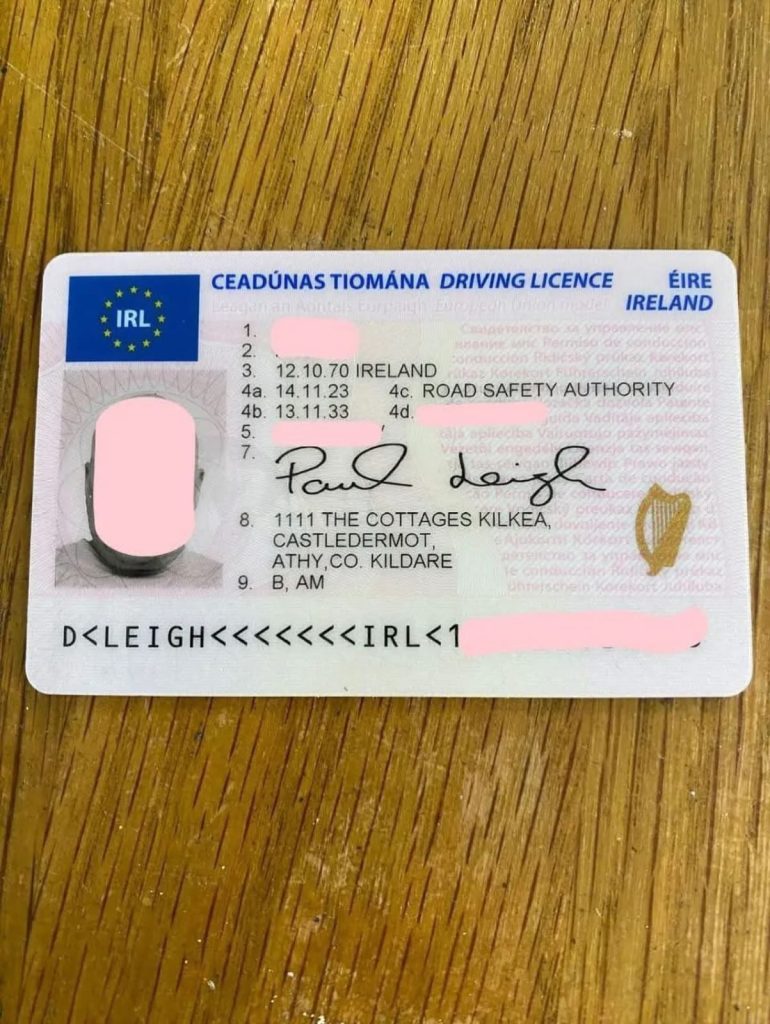
Your Complete Guide to Driving‑License Guidelines
Everything you need to know before you hit the road
Whether you’re a teenager preparing for your first road test, an adult renewing an expired licence, or a newcomer figuring out the local rules, the process of obtaining and keeping a valid driving licence can feel like navigating a maze. This post breaks down the most important guidelines into bite‑size sections, complete with handy tables, checklists, and a FAQ at the end. By the end, you’ll know exactly what steps to take, how much you’ll pay, and what you must do to stay legal behind the wheel.
1. Why Understanding the Guidelines Matters
- Safety first – The rules are designed to protect you, your passengers, and other road users.
- Avoid penalties – Ignoring a requirement (e.g., missing a medical exam) can lead to fines, licence suspension, or even criminal charges.
- Save time and money – Knowing the paperwork and deadlines in advance prevents costly re‑appointments and rescheduling.
2. The Road to Your First Licence: Step‑by‑Step Checklist
| Step | What You Do | Typical Timeframe | Key Documents | Tips for Success |
|---|---|---|---|---|
| 1. Verify Eligibility | Confirm you meet age, residency, and health criteria. | Immediate | Proof of age (birth certificate or passport), proof of residence (utility bill or lease). | Check your state/province’s specific age rule – some allow learner permits at 15½, others at 16. |
| 2. Complete a Driver Education Course | Enrol in a state‑approved classroom or online program (often mandatory for minors). | 30–60 hrs of instruction | Course completion certificate. | Look for courses that include behind‑the‑wheel practice; many offer discounts for groups. |
| 3. Apply for a Learner’s Permit | Submit an application and pass a written knowledge test. | 1–2 weeks (depends on testing centre) | Application form, ID, residency proof, fee payment. | Study the official driver’s handbook; many DMVs offer practice quizzes online. |
| 4. Log Supervised Driving Hours | Accumulate required practice (e.g., 40–50 hrs) with a qualified supervisor. | 6–12 months (varies) | Logbook (paper or digital), supervisor signature. | Schedule regular drives; treat the logbook like a work diary—date, mileage, conditions. |
| 5. Pass the Vision Screening | Usually done at the licensing office or a certified optometrist. | Same day as road test (if needed) | Vision test result form. | If you wear glasses or contacts, bring them to the test. |
| 6. Schedule & Pass the Road Test | Demonstrate practical driving skills under an examiner’s watch. | Depends on appointment availability (often 2–4 weeks). | Valid learner’s permit, proof of insurance for the test vehicle, road‑test fee. | Practice common maneuvers: parallel parking, three‑point turns, emergency stops. |
| 7. Receive Your Full Licence | After passing, you’ll be issued a provisional or full licence. | Same day or mailed within 2 weeks. | None (the office will process it). | Verify that the licence reflects the correct class (e.g., Class C for passenger cars). |
3. Licence Classes & What They Allow
| Class | Vehicle Type | Typical Uses | Minimum Age | Additional Requirements |
|---|---|---|---|---|
| A | Motorcycles (including high‑performance) | Two‑wheel riding, off‑road bikes | 16‑18 (varies) | Motorcycle safety course, separate road test. |
| B | Standard passenger cars, light trucks (≤ 3,500 kg) | Daily commuting, family transport | 16‑18 | Usually the default class for most drivers. |
| C | Heavy trucks (> 3,500 kg) | Commercial freight, long‑haul | 18‑21 | Medical fitness certificate, CDL (commercial driver’s licence) test. |
| D | Buses, passenger‑carrying vehicles | Public transport, school buses | 21+ | Additional passenger‑safety training, periodic medical exams. |
| E | Special‑purpose vehicles (e.g., agricultural, construction) | Farm equipment, road‑work machinery | 16‑18 | Often requires a specific endorsement. |
Tip: If you anticipate driving multiple vehicle types (e.g., a car and a motorcycle), apply for the appropriate endorsements at the same time to avoid extra fees later.
4. Fees You’ll Encounter (2025 Estimates)
| Fee Type | Approx. Cost (USD) | When It’s Charged | How to Pay |
|---|---|---|---|
| Application (first‑time) | $25–$45 | At the licensing office or online | Credit/debit card, cash, or e‑check. |
| Learner’s Permit | $10–$20 | When you pass the written test | Same as above. |
| Driver Education Course | $150–$300 | Before permit (mandatory for minors) | Credit card, scholarship, employer tuition assistance. |
| Road Test | $30–$75 | At the time of scheduling | Usually pre‑paid online. |
| Licence Issuance (Class B) | $35–$60 | After a successful road test | Same as above. |
| Renewal (every 4–8 years) | $40–$80 | Prior to expiry (renewal reminder often mailed) | Online renewal portals are fastest. |
| Duplicate Licence | $20–$30 | If lost, stolen, or damaged | In‑person or online (may require ID verification). |
| Medical Examination (for Class C/D) | $50–$150 | Prior to license application | Paid to the certifying doctor; some insurers cover it. |
Remember: Some jurisdictions offer senior, veteran, or low‑income discounts—always check the local department of motor vehicles (DMV) website for special programs.
5. Maintaining a Valid Licence: Ongoing Obligations
- Renew on Time – Most licences expire every 4–8 years. Set a calendar reminder 30 days before the expiry date.
- Address Updates – Any change of residence (or name) must be reported within 30 days. Failure can result in a fine.
- Medical Fitness – For commercial licences (Classes C/D) you’ll need a periodic medical exam (usually every 2‑5 years).
- Points & Infractions – Accumulating too many demerit points can lead to suspension. Consider defensive‑driving courses to reduce points where allowed.
- Alcohol & Drug Laws – Zero‑tolerance for driving under the influence (DUI). Even a small BAC can trigger immediate licence suspension.
6. Common Pitfalls and How to Avoid Them
| Pitfall | Consequence | Prevention |
|---|---|---|
| Skipping the practice log | Licence denial or delayed road test. | Keep a digital log (many apps auto‑timestamp entries). |
| Forgetting to bring required IDs | Application rejected, need to reschedule. | Create a pre‑appointment checklist: photo ID, proof of residency, payment method. |
| Driving with an expired licence | Fines up to $500, possible court appearance. | Renew early; many states allow renewal up to 6 months before expiry. |
| Ignoring a provisional licence restriction (e.g., night‑driving curfew) | Ticket and points added to your record. | Review the restriction letters you receive; set alerts on your phone for curfew times. |
| Assuming your licence is valid in another state | Potential arrest if pulled over. | Verify reciprocity rules; apply for an interstate licence transfer if you move. |
7. Quick Reference List: Must‑Do Items Before Your First Road Test
- Pass the written knowledge exam → obtain learner’s permit.
- Complete mandatory driver‑education hours.
- Log the required supervised driving time (signatures & dates).
- Schedule a vision screening (and bring glasses/contacts).
- Book your road‑test appointment at least 2 weeks in advance.
- Arrange insurance for the test vehicle (owner’s policy usually covers it).
- Bring the following on test day:
- Valid learner’s permit
- Proof of insurance card for the vehicle
- Completed logbook (if required)
- Payment for road‑test fee (if not prepaid)
- Practice the three most common maneuvers: parallel parking, three‑point turn, and emergency stop.
8. FAQ – Your Burning Questions Answered
Q1. Can I take the written knowledge test online?
A: Most states still require an in‑person exam, but a growing number of jurisdictions now offer a secure online option for eligible applicants (usually those renewing a licence). Check your local DMV’s website for availability.
Q2. I’m 17 and have a learner’s permit. How many supervised hours do I need before the road test?
A: Requirements vary:
- State A: 40 hours, including 5 night hours.
- State B: 50 hours total, 10 of which must be on highways.
- State C: No hour requirement but a minimum of 6 months holding the permit.
Always verify the exact numbers for your state.
Q3. What if I fail the road test?
A: You’ll be allowed to retake it after a waiting period (usually 7–14 days). Most DMVs charge a re‑test fee (often $25‑$40). Use the feedback from the examiner to focus your practice.
Q4. Do I need a separate licence for a motorcycle?
A: Yes, unless you already hold a “full” motorcycle endorsement (Class M). Most states require you to pass a motorcycle knowledge test and a skills test, plus a helmet law compliance check.
Q5. How can I check the status of my licence renewal?
A: Many DMVs provide an online portal where you can log in with your licence number and date of birth to see renewal status, pending fees, or required documents.
Q6. My licence was suspended for a DUI. How long before I can re‑apply?
A: Suspension lengths differ by jurisdiction and the severity of the offense (first offense often 6‑12 months). You’ll typically need to:
- Complete an approved alcohol‑treatment program.
- Pay reinstatement fees.
- Provide proof of an SR‑22 insurance filing (if required).
Q7. Is there a “grace period” after my licence expires?
A: Some states allow a short grace period (usually 30 days) where you can legally drive while your renewal is processing, but you must carry proof of renewal paperwork. Others enforce a hard cutoff—drive at your own risk.
Q8. Can I transfer my licence if I move to another state?
A: Yes. Generally you have 30‑60 days after establishing residency to apply for a new licence. Bring your current licence, proof of identity, Social Security number, and residency documents. You may need to pass a vision test and, in some cases, a written test.
9. Final Thoughts: Take Control of Your Driving Journey
Navigating driving‑license guidelines may feel bureaucratic, but each requirement is a stepping stone toward safer, more confident driving. By breaking the process into manageable tasks—checking eligibility, completing education, logging practice, and staying on top of renewals—you’ll avoid the common headaches that catch many new drivers off guard.
Take action today:
- Gather your documents now, so you’re ready for the first appointment.
- Set up a practice schedule and log your hours in a spreadsheet or mobile app.
- Bookmark your local DMV’s website for up‑to‑date fee tables, appointment slots, and downloadable forms.
Remember, the road to a licence is a marathon, not a sprint. Patience, preparation, and adherence to the guidelines will get you behind the wheel with confidence—and keep you legal for the miles ahead. Safe travels!