
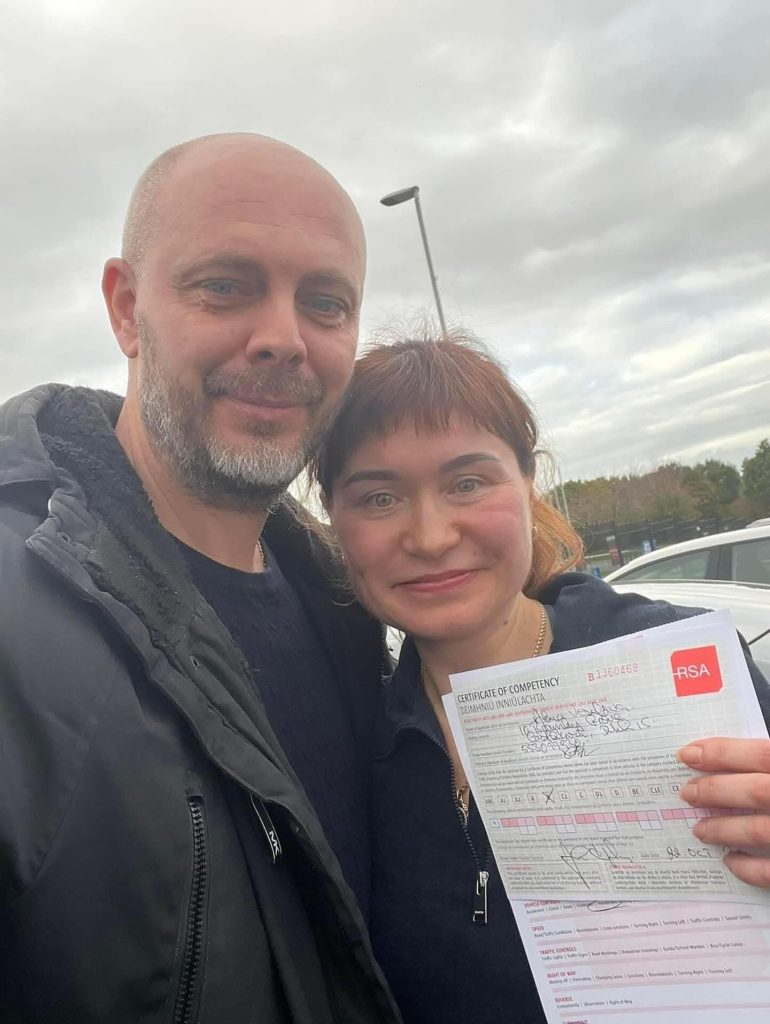
Everything You Need to Know About Getting an English Driving Licence
If you’ve just moved to the UK, are about to turn 17, or simply want to refresh your knowledge, the English (UK) driving licence can seem like a maze of paperwork, tests, and rules. This guide walks you through the whole process, step‑by‑step, so you can feel confident behind the wheel and stay on the right side of the law.
1. Why a UK Driving Licence Matters
- Legal requirement: You must hold a valid UK licence to drive any motor vehicle on public roads.
- Insurance eligibility: Most insurers will refuse to cover you without it.
- International recognition: A UK licence is widely accepted abroad – you can swap it for many European licences with minimal hassle.
2. Licence Categories at a Glance
| Category | Vehicles Covered | Minimum Age* | Typical Uses |
|---|---|---|---|
| A | Motorcycles of any size (including those with a power output over 35 kW) | 24 (or 21 with A2‑restricted) | Full‑size motorcycles, sport bikes |
| A1 | Light motorcycles up to 125 cc, max 11 kW | 17 | Scooters, small commuter bikes |
| A2 | Motorcycles up to 35 kW (restricted) | 19 | Mid‑range bikes, learner riders |
| B | Cars up to 3,500 kg, up to 8 passenger seats + trailers ≤ 750 kg | 17 (16 for provisional) | Standard cars, small vans |
| C1 | Medium‑size trucks 3,500 kg – 7,500 kg | 18 | Small lorries, delivery vans |
| C | Large trucks over 3,500 kg | 21 | Heavy goods vehicles (HGV) |
| D1 | Minibusses up to 16 passenger seats | 21 | Small passenger transport |
| D | Full‑size buses | 24 | Public transport buses |
| F | Agricultural tractors | 16 | Farm work |
| R | Mopeds up to 50 cc, max 4 kW | 16 | Simple mopeds |
* Minimum age is the legal minimum; you may need to meet additional experience or training requirements for some categories.
3. The Roadmap: From Provisional to Full Licence
| Step | What You Do | How Long It Takes | Key Documents |
|---|---|---|---|
| 1. Apply for a provisional licence | Order online (DVLA) or by post | Usually 1‑2 weeks | Passport, proof of address, National Insurance number |
| 2. Pass the theory test | 2‑part test (multiple‑choice + hazard perception) | Book 2‑4 weeks ahead; results instantly | Provisional licence |
| 3. Take driving lessons | Minimum of ~45 hours (recommended) with an ADI (Approved Driving Instructor) | Variable – most learners take 3‑6 months | Learner’s logbook (optional but useful) |
| 4. Pass the practical test | 40‑minute on‑road assessment (including independent driving) | Book 1‑2 months ahead; result on the spot | Provisional licence, theory pass certificate |
| 5. Receive your full licence | DVLA sends the photocard licence by post | 1‑3 weeks after passing | Full pass certificate (if needed) |
Quick Tips for Each Stage
- Provisional licence – Apply as soon as you turn 15 ¾ years old; you’ll receive it before your 17th birthday, giving you a head start on lessons.
- Theory test – Use the official DVSA app for hazard perception clips; practice at least 20‑30 questions a day.
- Lessons – Choose an ADI with a “Pass Plus” qualification if you want an extra safety boost after passing.
- Practical test – Arrive 15 minutes early, bring your provisional licence, and double‑check your vehicle meets the test standards (e.g., MOT, insurance).
4. Common Pitfalls and How to Avoid Them
| Pitfall | Why It Happens | How to Fix It |
|---|---|---|
| Forgetting to bring your provisional licence | Nervousness on test day | Keep it in a dedicated “test day” folder with your ID and insurance documents. |
| Running out of fuel | Miscalculating route time | Fill the tank the night before; a half‑full tank can be grounds for a test abort. |
| Improper use of mirrors | Over‑reliance on side‑mirror checks | Practice the “mirror‑signal‑blind‑spot” routine until it’s automatic. |
| Misunderstanding “independent driving” | Assuming any route is acceptable | Review the “independent driving” sheet you’ll receive at the test centre; ask your instructor to simulate it. |
| Confusing UK and EU licence categories | Switching between countries | Keep a printed copy of the UK category table handy, especially if you hold a foreign licence. |
5. Frequently Asked Questions (FAQ)
Q1. Can I drive a car with a foreign licence while my UK licence is pending?
Yes. If you’re a visitor, you can use a valid licence from most EU/EEA countries for up to 12 months. If you’re a resident, you have 12 months to exchange it for a UK licence; after that you must apply for a provisional licence and pass the UK tests.
Q2. Do I need a separate licence for a car and a motorcycle?
Exactly. A Category B licence (cars) does not automatically cover motorcycles. You’ll need at least an A1, A2, or full A licence, depending on the bike’s power.
Q3. What is “Pass Plus” and should I do it?
Pass Plus is an optional, post‑test training scheme that adds 20 hours of supervised driving in more complex conditions (night, motorway, rain). It can lower insurance premiums and boost confidence, especially for new drivers.
Q4. How long is a UK driving licence valid?
The photocard licence is valid for 10 years. You’ll need to renew it when it expires or if you change your name or address.
Q5. What happens if I lose my licence abroad?
You can apply for a replacement online through the DVLA. If you’re traveling, you can also get a “temporary licence” from the nearest British embassy or consulate.
6. Checklist Before You Book Your Test
- Provisional licence received and valid
- Passed the theory test (certificate printed)
- Completed ≥ 45 hours of lessons (or more, if you feel unsure)
- Vehicle meets DVSA standards (MOT, insurance, L‑plates)
- Practice the “mirror‑signal‑blind‑spot” routine until fluent
- Confirm test date and location; note the “independent driving” sheet details
- Pack all required documents (provisional licence, theory pass certificate, photo ID)
Final Thoughts
Getting your English driving licence is more than just ticking boxes—it’s about building the skills, confidence, and legal knowledge you’ll need for years of safe motoring. By following the roadmap above, staying organized, and practicing deliberately, you’ll move from provisional learner to fully‑licensed driver smoother than you might expect.
So, grab your provisional licence, book that theory test, and start logging those miles. The road ahead is yours!