
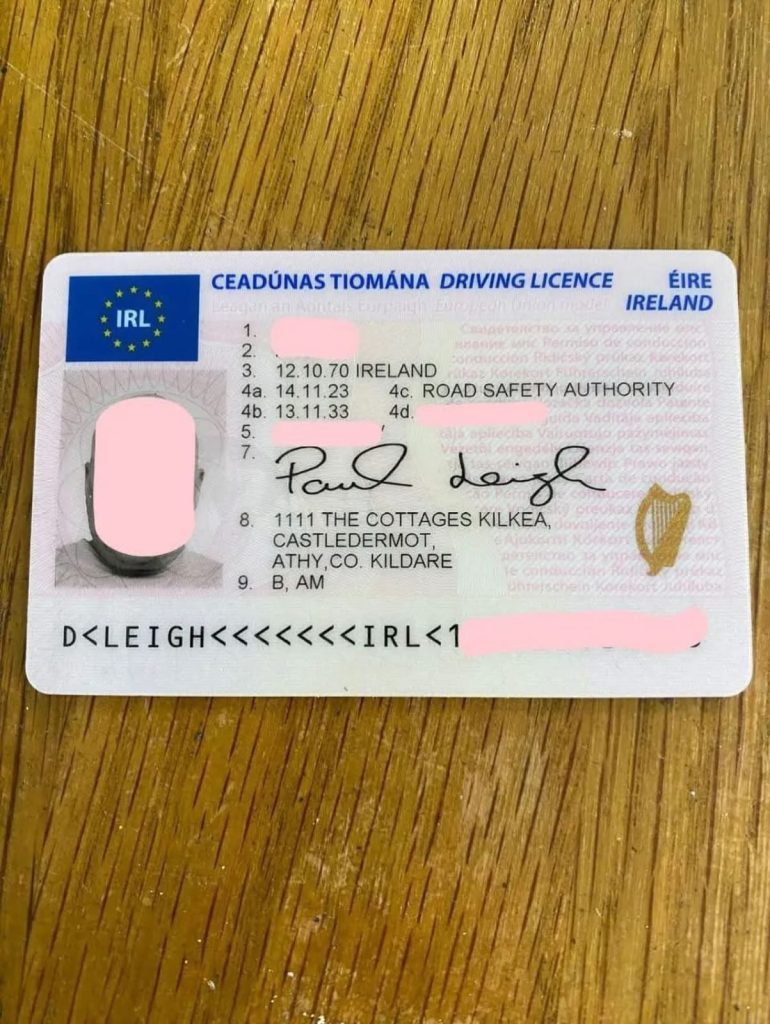
How to Apply for a Full Driving Licence – A Step‑by‑Step Guide for You
Getting a full (unrestricted) driving licence is one of the most rewarding milestones you can achieve. Whether you’re moving to a new country, graduating from a provisional licence, or simply need to upgrade after a lapse, the process can feel a bit daunting. This guide walks you through everything you need to know – from the paperwork you’ll gather to the tests you’ll take – presented in clear lists, handy tables, and a quick FAQ at the end.
1. What “Full Driving Licence” Means
A full driving licence (sometimes called a Category B licence) gives you the legal right to drive a standard car (up to 3 500 kg) on public roads without the restrictions that apply to learner or provisional licences (e.g., “L‑plates” or mandatory supervision). It also often serves as the baseline for adding other categories, such as motorcycles or larger vehicles.
2. Who Can Apply?
| Eligibility Criterion | Requirement | How to Verify |
|---|---|---|
| Age | Minimum 18 years (or 17 ½ in some regions with supervised driving) | Check your birth certificate or passport |
| Residency | Must be a legal resident of the issuing country for at least 6 months | Utility bills, tenancy agreement, or residency permit |
| Health | No medical condition that impairs driving (e.g., uncontrolled seizures) | Complete a medical self‑declaration or visit a certified doctor |
| Driving Record | No disqualifications or pending serious traffic offences | Request a driving history report from the licensing authority |
If you meet all four criteria, you’re ready to move on to the paperwork.
3. Gather the Required Documents
Below is a quick‑reference table showing the documents you’ll need, why they’re required, and tips for obtaining them.
| Document | Why It’s Needed | Tips for Getting It |
|---|---|---|
| Proof of Identity (passport, national ID) | Confirms who you are | Bring the original and a clear photocopy |
| Proof of Residence (utility bill, rental agreement) | Shows you live in the jurisdiction | Must be dated within the last 3 months |
| Provisional Licence (if upgrading) | Demonstrates you’ve already passed the theory test | Keep the physical card handy |
| Medical Declaration Form | Verifies you’re medically fit to drive | Fill it out at home; some countries require a doctor’s signature |
| Passport‑size Photo (standard 35 mm × 45 mm) | Used for your licence card | Use a neutral background; many post offices offer photo services |
| Fee Payment Receipt | Covers application, test, and issuance fees | Pay online or at the licensing office; keep the receipt |
Quick checklist: ✔️ ID, ✔️ Residence proof, ✔️ Provisional licence, ✔️ Medical form, ✔️ Photo, ✔️ Fee receipt
4. The Application Process – What Happens When
| Stage | What You Do | Typical Timeframe | What to Expect |
|---|---|---|---|
| 1. Online Pre‑registration | Fill out a short form on the licensing authority’s website, upload scanned docs | 5–10 minutes | You’ll receive a temporary reference number |
| 2. Book the Practical Test | Choose a date and centre (often via the same portal) | 1–2 weeks (depends on demand) | Some regions allow same‑day bookings if slots are open |
| 3. Submit Physical Documents | Visit the local office, present originals, give your photo, pay fees | Same day | Staff will verify everything and issue a receipt |
| 4. Theory Test (if not already passed) | Take a computer‑based multiple‑choice exam (40–50 questions) | Usually 30 minutes | You must score ≥ 85 % to pass |
| 5. Practical Driving Test | Demonstrate safe control, manoeuvres, and road awareness | 30–45 minutes on‑road | Examiner will note any faults; ≤ 3 minor faults = pass |
| 6. Receive Full Licence | Licence is mailed or you collect it in person | 7–14 days after passing | Card will be valid for 10 years (or as per local law) |
Pro tip: Bring a printed copy of your booking confirmation and fee receipt to every in‑person appointment – it speeds up verification.
5. Preparing for the Tests
5.1 Theory Test Preparation
- Download the official handbook – Most licensing bodies publish a PDF guide covering road signs, rules, and safe driving practices.
- Use a practice‑test app – Aim for at least 3 full mock exams before the real thing.
- Focus on “hazard perception” – Some countries include video clips; watch them repeatedly to train your instincts.
5.2 Practical Test Preparation
- Take at least 20 hours of professional lessons – Even if you feel confident, an instructor can spot subtle errors.
- Practice the required manoeuvres: parallel park, emergency stop, hill start, and three‑point turn.
- Do a “dress rehearsal” – Drive the exact test route (if known) at the same time of day to get used to traffic patterns.
6. Common Pitfalls and How to Avoid Them
| Pitfall | Consequence | How to Prevent |
|---|---|---|
| Missing a document | Application rejected; you lose time and may have to pay another fee | Use the checklist above; double‑check before you leave home |
| Booking the test too far ahead | If you need to reschedule, fees may rise | Book a slot with a 2‑week buffer; keep a cancellation policy handy |
| Ignoring the medical declaration | Licence can be suspended later if a condition emerges | Be honest; get a doctor’s opinion early if you have any health concerns |
| Arriving late to the test centre | Examiner may not be able to accommodate you | Set an alarm, allow extra travel time for traffic or public‑transport delays |
| Driving with “L‑plates” (if still on provisional) | Automatic failure | Make sure you’ve swapped the provisional for the full licence before any road test |
7. After You Get Your Full Licence
- Update your insurance – Full licences often qualify for lower premiums.
- Consider adding endorsements (e.g., motorcycle, caravan) if you plan to expand your driving horizons.
- Keep a copy of your driving record – It’ll be useful when applying for jobs that require a clean licence.
Frequently Asked Questions
Q1: How long is a full driving licence valid?
A: In most jurisdictions the card is valid for 10 years, after which you’ll need to renew it (often with a simple photo update and a fee).
Q2: Can I take the practical test without a provisional licence?
A: No. You must hold a provisional licence and have passed the theory test before booking the practical exam.
Q3: What if I fail the practical test?
A: You can re‑book after a mandatory waiting period (usually 7 days). Some authorities allow you to take the same test on the same day if you’re accompanied by an instructor for a “re‑test”.
Q4: Do I need a medical check if I’m under 25?
A: Generally not, unless you have a known condition that could impair driving. However, many countries require a self‑declaration even for younger drivers.
Q5: Is there a fast‑track option for experienced drivers from another country?
A: Some regions offer a “reciprocity” or “exchange” scheme where you can swap a foreign licence for a local full licence without retaking the theory or practical tests, provided the original licence is from a recognised country.
Q6: What should I do if I lose my licence after it’s issued?
A: Report the loss to the licensing authority and apply for a replacement. You’ll need to provide your reference number, ID, and pay a small fee.
Bottom Line
Applying for a full driving licence is a systematic process, but with the right preparation you can breeze through every step. Keep this guide, the tables, and the checklist close at hand, and you’ll be holding that coveted card in no time. Safe driving!