
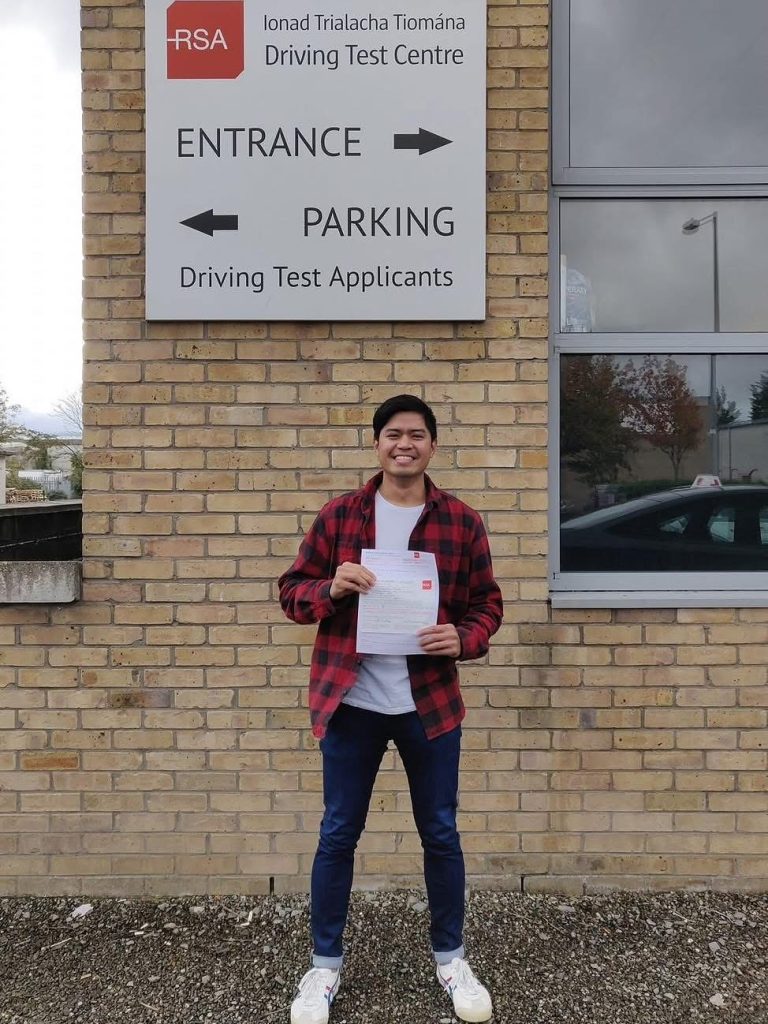
The Complete Guide to Getting Your Irish Driving Licence
Your step‑by‑step roadmap, costs, timelines and everything you need to know
Why This Guide Matters
If you’ve just moved to Ireland, turned 18 and feel ready to hit the road, the licensing process can feel like navigating a labyrinth of forms, tests and waiting rooms. You’re not alone – many newcomers (and even locals) wonder where to start, how much it will cost, and how long the whole journey takes. This post walks you through every single stage, from the first paperwork to the moment you receive that iconic green‑and‑white licence card, all written in a friendly second‑person voice so you can follow along easily.
1. Overview of the Irish Driving Licence System
| Feature | Details |
|---|---|
| Authority | National Driver Licence Service (NDLS) – the single government body that issues licences, runs theory tests and records driving history. |
| Licence Types | Learner Permit (Category A‑E), Full Licence (Categories A‑E), Restricted Licences (e.g., mopeds). |
| Age Requirements | Minimum 17 years for a learner permit (Category B – cars); 16 years for mopeds (Category AM). |
| Validity | Full licences are valid for 10 years (renewable). Learner permits are valid for 2 years. |
| Key Documents | Passport/Irish passport card, PPS number, proof of address, photograph (if not uploaded online). |
Understanding these basics will give you a clear picture of what you need and what you can expect as you progress.
2. Step‑by‑Step Process
Below is the full pathway, broken into easily digestible phases. Follow them in order; skipping a step will only delay your licence.
| Phase | What You Do | How Long It Takes | Cost (EUR) | Tips |
|---|---|---|---|---|
| 1️⃣ Apply for a Learner Permit | • Complete the Learner Permit Application online (NDLS website) or at a post office. • Upload a digital photo (or bring a printed one). • Provide PPS number, proof of identity and address. | Immediate online confirmation; the physical permit arrives within 5‑7 business days. | €35 (including the eye‑test fee) | Book your eye test early – many opticians have a 15‑minute slot. |
| 2️⃣ Pass the Theory Test | • Study the Road Safety Authority (RSA) Driver Theory Test syllabus. • Book a test at an NDLS centre (online booking is fastest). | Results are given immediately after answering all 40 questions. | €45 (standard) – discounts for students & seniors | Use the free RSA practice tests – they mimic the exact question format. |
| 3️⃣ Get Your Provisional Licence (Learner Permit) | • Once you pass the theory test, the NDLS updates your record and you can collect your learner permit if you haven’t already. | Same day if you booked a same‑day pickup. | Included in Phase 1 fee | Keep your learner permit on you whenever you drive – it’s mandatory. |
| 4️⃣ Enrol in a Driving School (Optional but Recommended) | • Choose a Rural/Urban driving school based on your location. • Book a minimum of 12‑hour “Basic Driving Course” if you’re a first‑time driver. | Courses run over 4‑8 weeks depending on availability. | €250‑€500 (varies by school) | Ask for a ‘test‑ready’ package – it includes mock driving tests. |
| 5️⃣ Pass the Driving Test (Practical) | • Book the test through the NDLS website (slots fill fast—book 4‑6 weeks ahead). • Bring your learner permit, a vehicle (road‑worthy, insured, with L‑plates). • Complete the 45‑minute test (including manoeuvres). | Test day – results given within 30 minutes. | €55 (standard) – additional €15 for a re‑test on the same day | Practice the “reverse park” and “hill start” repeatedly – they are common failure points. |
| 6️⃣ Receive Your Full Licence | • After a pass, the NDLS will issue a Full Licence and mail it to your address. | 5‑10 business days after the test result. | No extra charge (included in phase 5). | Check the licence details immediately; report any errors to NDLS. |
Quick recap: The longest waiting periods are booking the theory test and waiting for a practical test slot. Planning ahead (especially during summer holidays) can shave weeks off the timeline.
3. Documents Checklist
Before you start, gather these items. Having everything on hand prevents trips back to the office.
- Proof of identity – Irish passport, passport card, or a certified copy of a foreign passport (with translation if needed).
- Proof of address – Recent utility bill (≤ 3 months), bank statement, or a letter from a recognized public body.
- PPS number – Your Personal Public Service number; you’ll need it for every government interaction.
- Eye‑test certificate – Conducted by an optician; the result must be “adequate” for driving.
- Digital photograph – 45 mm × 35 mm, plain background, no glasses (if possible).
- Driving school receipt (if you use one) – Useful for record‑keeping and possible tax relief.
- Vehicle registration & insurance – Required for the practical test.
Tip: Store scanned copies of each document in a dedicated folder on your phone. The NDLS portal lets you upload most files directly, saving you a trip to a post office.
4. Understanding the Theory Test
The theory test is a computer‑based multiple‑choice exam with 40 questions (40‑point scoring). You need 35 correct answers (≥ 87.5 %) to pass.
Content Breakdown
| Topic | Weight |
|---|---|
| Road signs & markings | 15 % |
| Vehicle handling & control | 10 % |
| Safety & emergency procedures | 15 % |
| Legal responsibilities & offences | 20 % |
| Environmental & health considerations | 10 % |
| Hazard perception (picture questions) | 30 % |
Study Resources
- RSA “Road Safety” handbook – free PDF download.
- Official RSA practice test – 3 practice exams (online) simulate the real environment.
- YouTube channels – “Irish Driving Theory” and “Road Safety Ireland” offer video walkthroughs of tricky questions.
Test‑Day Checklist
- Arrive 10 minutes early.
- Bring your learner permit and photo ID.
- No calculators or notes allowed – the test is fully self‑contained.
5. Practical Test – What to Expect
The practical test is overseen by a Road Safety Authority examiner. The vehicle must display L‑plates (green and white) and be road‑worthy. The test consists of three parts:
| Stage | Time | Key Elements |
|---|---|---|
| Pre‑test interview | 5 min | Examiner checks documents, asks about vehicle insurance, and confirms you understand L‑plate rules. |
| On‑road driving | 30‑35 min | Maneuvers (reverse park, three‑point turn), observation, speed control, signaling, and interaction with other road users. |
| Post‑test debrief | 5 min | Examiner tells you if you passed and explains any faults (if any). |
Common Faults & How to Avoid Them
| Fault Type | Typical Reason | Prevention |
|---|---|---|
| Serious fault – Incorrect lane usage | Starting a turn from the wrong lane | Practice lane discipline on quiet streets; always check mirrors before any lane change. |
| Minor fault – Inadequate observation at junctions | Forgetting to look left‑right‑left on a three‑way stop | Use the “S‑look” (shoulder‑check) technique; count “1‑2‑3” seconds before moving. |
| Serious fault – Failure to yield to pedestrians | Ignoring a crossing pedestrian on a zebra crossing | Treat every crossing as a potential pedestrian zone; stop fully before yielding. |
Pro tip: The examiner does not penalise you for a brief hesitation if you explain what you’re doing (e.g., “I’m checking the blind spot”). Clear communication can turn a potential fault into a neutral observation.
6. Costs Summary
Below is a consolidated view of the typical expenses a first‑time driver faces. Prices are subject to change; always verify on the NDLS website before paying.
| Item | Cost (EUR) | When to Pay |
|---|---|---|
| Learner Permit (incl. eye test) | €35 | During Phase 1 |
| Theory Test (standard) | €45 | Before Phase 2 |
| Driving School (12‑hour basic course) | €250‑€500 | Optional, Phase 4 |
| Practical Test (first attempt) | €55 | Before Phase 5 |
| Re‑test (same day) | €15 | If you fail on day of test |
| Full Licence (post‑pass) | Included | After Phase 6 |
| Total (average) | ≈ €590‑€700 | – |
You may be eligible for reduced fees if you’re a full‑time student, over‑65, or receiving certain social welfare benefits – check the NDLS fee‑reduction page.
7. Frequently Asked Questions (FAQ)
| Question | Answer |
|---|---|
| Do I need a driving school to pass the practical test? | No, it’s not mandatory, but most learners find a school helpful for structured practice and feedback. |
| Can I take the theory test in a language other than English? | Yes – the RSA offers the test in Irish (Gaeilge) and French. However, you’ll need to request the language in advance. |
| What if I fail the practical test? | You can re‑book a new test slot after 7 days (or 2 days for a same‑day re‑test). There’s a €15 fee for a same‑day retake. |
| Is there a limit on how many times I can sit the theory test? | No limit, but you must wait at least 7 days between attempts. |
| Do I need to keep my learner permit after I get a full licence? | No, the full licence supersedes the learner permit. However, keep the permit until you receive the full licence as proof of your driving history. |
| Can I drive in the Republic of Ireland with a licence from another EU country? | Yes, EU licences are recognised. If you become a resident, you must exchange it for an Irish licence within 12 months. |
| What is the process for converting a foreign licence to an Irish one? | Submit a License Conversion Application to NDLS, provide proof of residency, identity, and a medical report if required. No tests are needed for most EU licences. |
| Are there any age‑related restrictions on the full licence? | Drivers under 21 must display “N” plates (Novice) for the first two years after passing the test, indicating limited experience. |
| What happens if I lose my licence? | Report the loss to the Gardaí (optional but recommended) and request a replacement through NDLS. A replacement costs €30. |
| Can I drive a motorbike with a car licence? | No. You need a Category A licence (or A1, A2) for motorbikes. You must first pass a separate theory test for that category. |
8. Tips for a Smooth Journey
- Book early. Theory and practical test slots are limited, especially during summer and holiday periods.
- Keep a driving log. Record dates, mileage, and what you practiced – it helps you identify weak spots before the test.
- Use a “mock test” day. Simulate the practical exam: start 15 minutes before your actual test time, wear similar clothes, and have an observer give you feedback.
- Stay updated. The RSA occasionally revises the theory syllabus. Subscribe to the RSA newsletter for any changes.
- Don’t ignore the eye test. Vision standards are strict; a simple prescription update can save you weeks of delay.
9. Final Thoughts
Obtaining an Irish driving licence is a structured, transparent process that, once broken down, feels very manageable. By following the steps outlined here, preparing thoroughly for both the theory and practical exams, and staying on top of documentation and fees, you’ll be cruising the scenic Irish roads—whether it’s the coastal Wild Atlantic Way or your daily commute—sooner than you think.
Remember: the key is planning, practice, and patience. Keep this guide handy, tick off each checklist item, and soon you’ll be holding that green‑and‑white licence card with pride.
Safe driving, and enjoy the ride! 🚗💚