
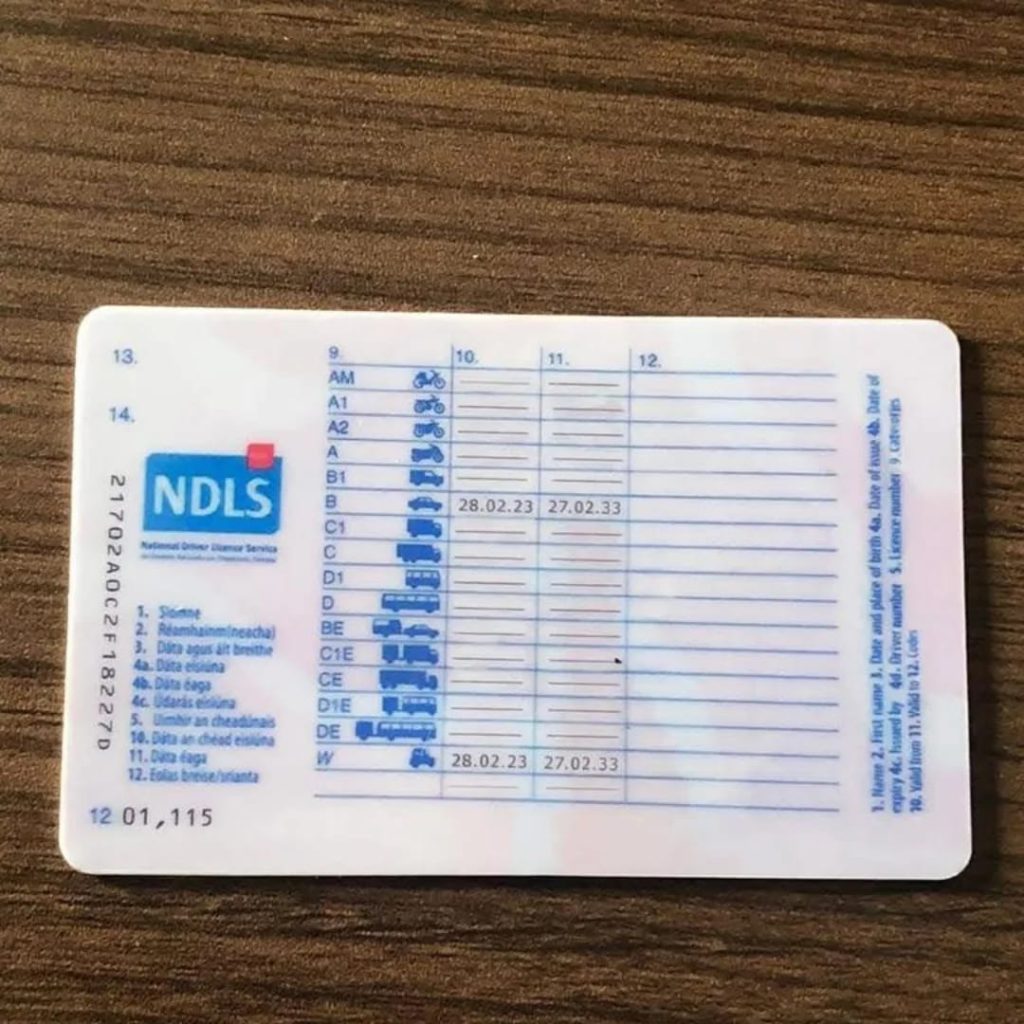
What Class Is a Car Driving License?
Everything you need to know about licence categories, requirements, and the road ahead.
Introduction
When you sit behind the wheel for the first time, the paper (or card) in your wallet may simply read “driver’s licence.” But behind that simple label lies a whole system of licence classes that tells the authorities—and you—what types of vehicles you’re legally allowed to operate. Knowing which class covers a standard car helps you:
- Apply for the right licence the first time.
- Avoid fines or penalties for driving outside your permitted class.
- Plan upgrades if you later want to drive a van, truck, or motorcycle.
In this post we’ll break down the most common car‑licence classifications around the world, show you a handy comparison table, walk through the steps to obtain one, and answer the questions most newcomers ask.
1. How Licence Classes Work
Most jurisdictions group vehicles into categories (or classes) based on factors such as:
| Factor | Why It Matters |
|---|---|
| Vehicle weight | Heavier vehicles need more skill and knowledge. |
| Number of passengers | Larger passenger loads affect handling and safety. |
| Engine type | Motorcycles, electric vehicles, and heavy‑diesel trucks have distinct rules. |
| Commercial vs. private use | Commercial licences often require additional endorsements. |
A car driving licence is typically the baseline class—allowing you to drive a standard passenger car (often up to a certain weight limit). If you want to drive larger or specialized vehicles, you’ll need to add a different class or an endorsement.
2. Car Licence Classes by Region
Below is a quick‑look table that captures the most common designations for a standard passenger car in several major regions. (Exact limits can vary by state or province; always check your local motor‑vehicle authority.)
| Region | Licence Class for a Car | Typical Weight/Seat Limit | Example Vehicles |
|---|---|---|---|
| United States | Class D (most states) | ≤ 26 000 lb GVWR, ≤ 8 passengers | Sedans, hatchbacks, SUVs, minivans |
| United Kingdom | Category B | ≤ 3 500 kg, ≤ 8 passenger seats | Cars, small vans, estate cars |
| European Union | B (or B1) | ≤ 3 500 kg, ≤ 8 seats | Same as UK; also light trucks up to 3 500 kg |
| Canada | Class 5 (most provinces) | ≤ 4 500 kg, ≤ 8 seats | Passenger cars, small trucks |
| Australia | C (or C1 in some states) | ≤ 4 500 kg, ≤ 12 seats (C1) | Cars, light commercial vehicles |
| India | LMV (Light Motor Vehicle) – Class 2 | ≤ 3 500 kg, ≤ 8 seats | Petrol/diesel cars, small vans |
| Japan | 普通自動車 (Class 1) | ≤ 3 500 kg, ≤ 10 seats | Standard cars, small MPVs |
Tip: In many countries the same class also lets you drive certain light trucks or vans (usually up to 3 500 kg). If you plan to haul a larger load, you’ll need a separate commercial or heavy‑vehicle class.
3. Step‑by‑Step Guide to Getting Your Car Licence
Below is a checklist you can follow regardless of where you live. Adjust the specifics (age, fees, test format) to match your local authority.
- Confirm Eligibility
- Minimum age (usually 16‑18).
- Residency or citizenship requirements.
- Gather Required Documents
- Proof of identity (passport, birth certificate).
- Proof of address (utility bill, rental agreement).
- Social security or national ID number.
- Pass a Vision Screening
- Most licences require a basic eye‑test (20/40 or better).
- Study the Driver’s Handbook
- Download from your transport department’s website.
- Focus on road signs, traffic laws, and safe‑driving practices.
- Take the Theory Test
- Multiple‑choice, usually 30‑50 questions.
- Many jurisdictions now offer computer‑based testing.
- Complete Required Driving Hours (if applicable)
- Some places mandate a minimum of 20–50 supervised driving hours before you’re eligible for the road test.
- Pass the Practical Driving Test
- Demonstrate maneuvers: parallel parking, hill starts, emergency stops.
- Examiner will assess your ability to obey traffic rules and control the vehicle safely.
- Pay Fees & Receive Your Licence
- Fees vary from $30 to $150 (or local currency equivalent).
- You may receive a temporary licence until the official card arrives.
| Phase | Typical Duration | Cost (USD) | Key Success Metric |
|---|---|---|---|
| Theory Prep | 2–4 weeks | $0–$30 (study materials) | 80%+ practice test score |
| Theory Test | 30‑45 min | $15–$40 | Pass (usually 70%+) |
| Driving Lessons | 20–50 h | $300–$800 | Instructor sign‑off |
| Road Test | 20‑30 min | $30–$70 | Pass on first attempt (recommended) |
| Licence Issuance | 1‑4 weeks | Included in fees | Physical card received |
4. Frequently Asked Questions (FAQ)
| Question | Answer |
|---|---|
| Do I need a separate licence to drive a hybrid or electric car? | No. Hybrid/electric cars fall under the same class as conventional gasoline cars (e.g., Class D, Category B). |
| Can I drive a small van with a car licence? | In most regions, yes—provided the vehicle’s gross weight is ≤ 3 500 kg (or the limit set for your class). |
| What happens if I drive a vehicle outside my class? | You risk fines, licence suspension, and insurance denial. In severe cases you could be charged with a “driving without the proper licence” offence. |
| Is a motorcycle licence required to ride a scooter? | Most jurisdictions treat motor‑powered scooters (≥ 50 cc) as motorcycles, requiring a separate Class M or Category A licence. |
| Can I upgrade my car licence to a commercial licence later? | Yes. You’ll typically need to pass an additional knowledge test and sometimes a practical test specific to commercial vehicles. |
| Do I need to re‑take the test when I renew my licence? | Usually not, unless your licence has expired for several years or you have medical conditions affecting fitness to drive. |
5. Quick Checklist – Are You Ready for the Road?
- Age & residency meet the minimum requirements.
- Vision test cleared.
- Theory test passed.
- Supervised driving hours completed (if required).
- Practical test passed with confidence.
- Fees paid and licence received.
If you tick all the boxes, congratulations—you now hold the standard car licence class for your region and are legally cleared to drive most passenger vehicles on public roads.
Wrap‑Up
Understanding what class your car driving licence belongs to isn’t just paperwork; it’s the foundation of safe, legal motoring. Whether you’re studying for your first licence in the UK, applying for a Class D licence in the United States, or renewing a Category B card in Europe, the steps are remarkably similar: meet the age and health criteria, ace the theory, demonstrate practical skill, and keep your documentation up to date.
Take advantage of the tables, checklists, and FAQs above to plan your path, avoid costly mistakes, and hit the road with confidence. Safe travels!